Old Dental Fillings in Anaheim: When Should They Be Replaced?
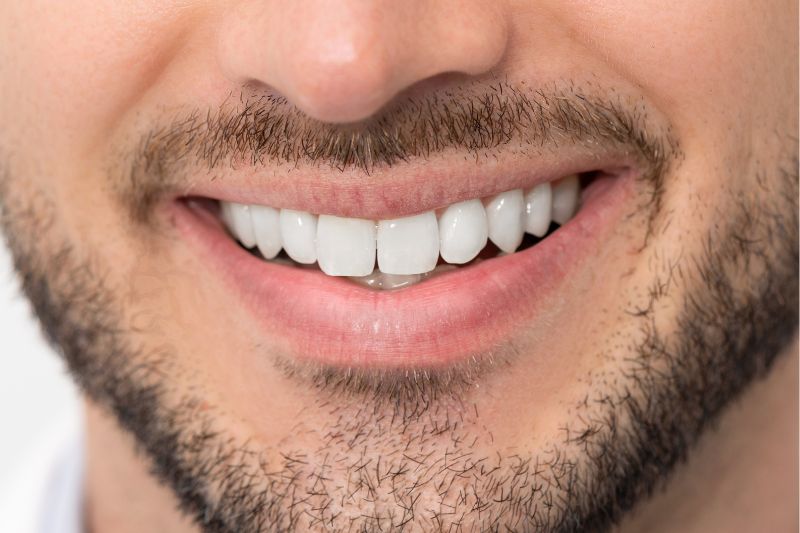
Dental fillings can restore teeth affected by cavities, wear, cracks, or other damage, but no restoration should be assumed to last forever. Years of biting and chewing can gradually wear a filling or the natural tooth surrounding it. That does not mean an older filling automatically needs to be replaced. A filling that remains intact, comfortable, and clinically healthy may continue functioning for years. Replacement is generally considered when a dentist identifies a specific problem rather than simply because a restoration has reached a certain age. The American Dental Association’s guide to dental filling options explains that several materials can be used for dental restorations and that the appropriate choice depends on factors such as the size and location of
Deep Teeth Cleaning in Anaheim: When Is It Needed?
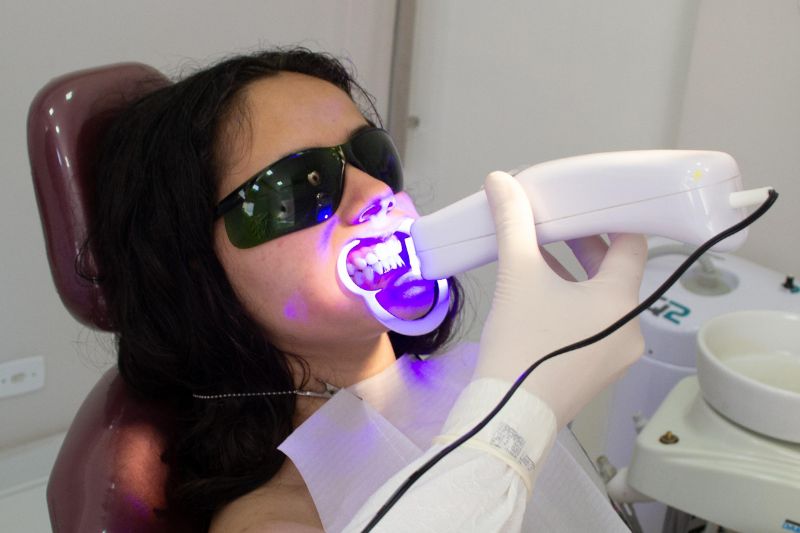
If your dentist recommends a “deep cleaning,” you may wonder why an ordinary dental cleaning is not enough. Although both procedures remove plaque and tartar, they are intended for different oral health situations. A regular professional cleaning focuses primarily on deposits around the visible portions of the teeth and gumline. A deep cleaning—commonly called scaling and root planing—extends below the gumline and is used to treat certain forms of gum disease. The American Dental Association explains that scaling and root planing may be recommended when gum disease has caused deeper spaces, called periodontal pockets, to develop between the teeth and gums. Plaque and hardened tartar can become trapped in these areas where normal brushing cannot reach them effectively. For a
Dental X-Rays in Anaheim: Are They Safe and Necessary?
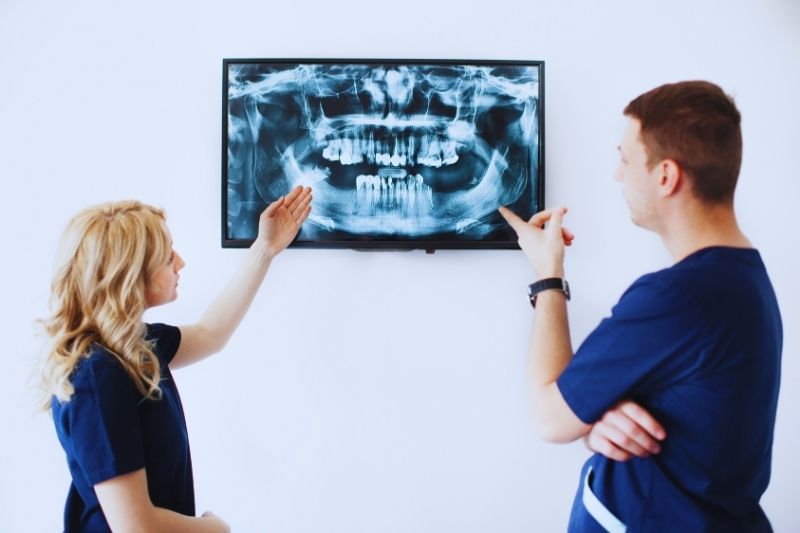
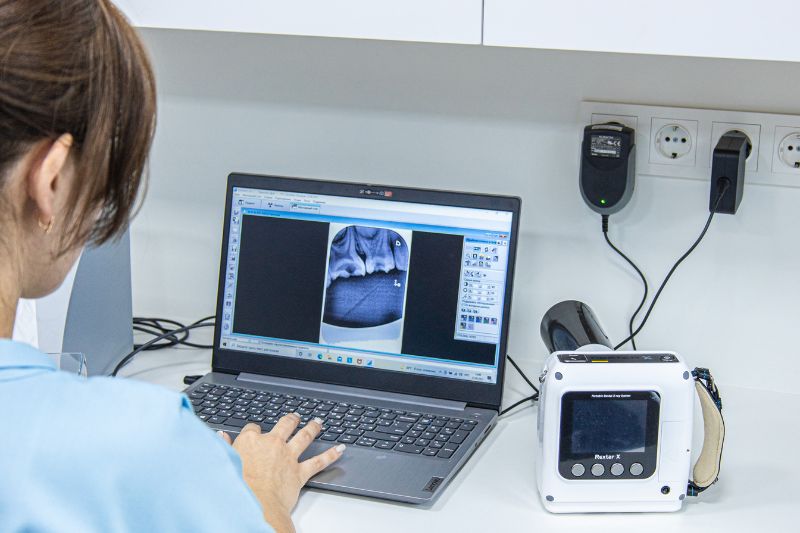
Dental X-Rays in Anaheim: Are They Safe and Necessary? If your dentist recommends dental X-rays during an examination, you may wonder why they are necessary—especially when your teeth feel completely fine. Dental X-rays, also called dental radiographs, provide information that cannot always be seen during a visual examination. They can help a dentist evaluate areas between teeth, tooth roots, supporting bone, developing teeth, and other structures beneath the surface. The American Dental Association’s current guidance on dental X-rays explains that radiographs should be taken according to each patient’s individual needs rather than on the same schedule for everyone. Factors such as oral health, age, disease risk, symptoms, and dental history help determine whether imaging is appropriate. For patients seeking dental
General Dentist in Anaheim: What Does General Dentistry Include?
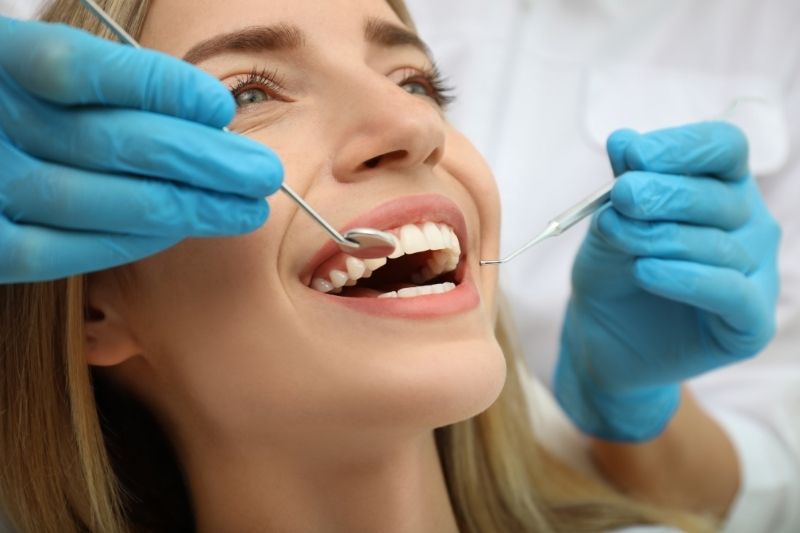
For many patients, a general dentist is the first professional they see for routine oral health care. General dentistry covers much more than fixing a tooth when it hurts. It includes preventive care, dental examinations, diagnosis, routine restorative treatment, and ongoing monitoring of the teeth and gums. The American Dental Association explains that regular dental visits can help identify oral health problems earlier, when treatment may be simpler, while also helping prevent some problems from developing. The ADA also notes that dental visit frequency should be based on each patient’s individual needs rather than a single schedule for everyone. For more patient guidance, visit the American Dental Association’s guide to dental visits. For patients searching for a general dentist in
Veneers vs. Dental Bonding in Anaheim: Which Is Better for Your Smile?
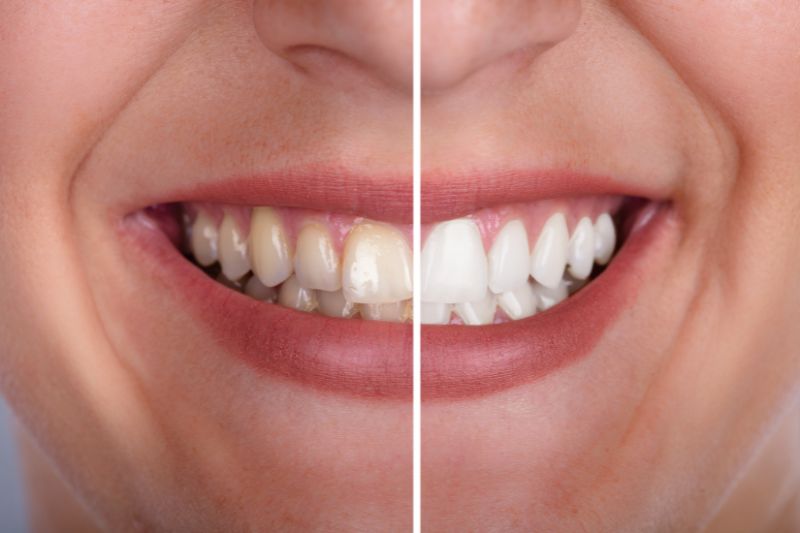
If you want to improve the appearance of chipped, stained, uneven, or misshapen teeth, both dental veneers and bonding may be worth discussing with a cosmetic dentist. The two treatments can address some similar concerns, but they work differently and are not interchangeable. The American Dental Association explains that veneers are thin, tooth-colored coverings placed over the front of teeth, while dental bonding involves attaching restorative material directly to tooth structure. For additional patient information, see the American Dental Association’s guide to improving your smile. Dental Aesthetics Professionals offers cosmetic dentistry in Anaheim that includes veneers, dental bonding, teeth whitening, crowns, implants, bridges, and orthodontic options. What Are Dental Veneers? Dental veneers are thin restorations designed to cover the front
When Should Your Child See an Orthodontist in Anaheim?
Parents often associate orthodontics with the teenage years, when braces are common and most permanent teeth have already erupted. However, an orthodontic evaluation can be useful much earlier—even when a child still has a mixture of baby and permanent teeth. The American Association of Orthodontists (AAO) recommends that children receive their first orthodontic check-up when a problem is first recognized and no later than age 7. At this age, enough permanent teeth have usually emerged for an orthodontic professional to evaluate how the teeth and jaws are developing. Parents can read more in the American Association of Orthodontists’ guide to the age-7 orthodontic visit. For families looking into orthodontic care in Anaheim, an early evaluation does not automatically mean that

Emergency Dentist in Anaheim: What Counts as a Dental Emergency?
Dental problems do not always happen at convenient times. A severe toothache may develop overnight, a filling can break while you are eating, or an accident may leave you with a damaged tooth. The difficult part is often deciding whether the problem can wait for a routine dental appointment or whether you should contact a dentist promptly. The American Dental Association provides guidance for common dental emergencies, including knocked-out teeth, cracked teeth, toothaches, soft-tissue injuries, and objects caught between teeth. The ADA generally recommends contacting a dentist as soon as possible when a dental emergency occurs. For additional guidance, visit the American Dental Association’s dental emergency resource. For patients looking for an emergency dentist in Anaheim, understanding which symptoms need

Invisalign in Anaheim: Is Clear Aligner Treatment Right for You?
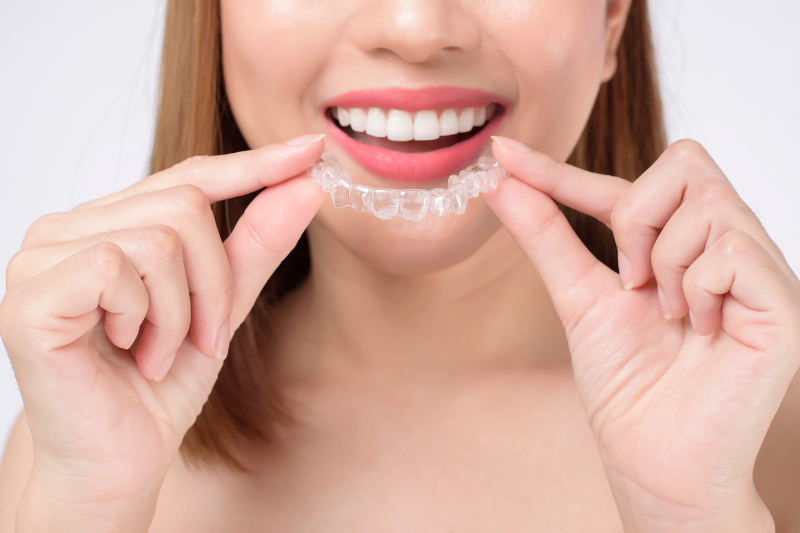
If you want straighter teeth but would prefer an alternative to traditional metal braces, clear aligner treatment may be worth considering. Invisalign uses a series of removable, transparent aligners designed to gradually move teeth toward planned positions. The American Association of Orthodontists’ guide to clear aligners explains that clear aligners are custom-formed trays that apply controlled pressure to teeth over time. They can be used for certain problems involving crooked, crowded, or spaced teeth and some bite concerns, although they are not the best option for every orthodontic case. For patients considering Invisalign in Anaheim, understanding how aligners work and what treatment requires can help you decide whether to schedule an orthodontic evaluation. What Is Invisalign? Invisalign is a clear
Wisdom Tooth Removal in Anaheim: When Extraction May Be Recommended
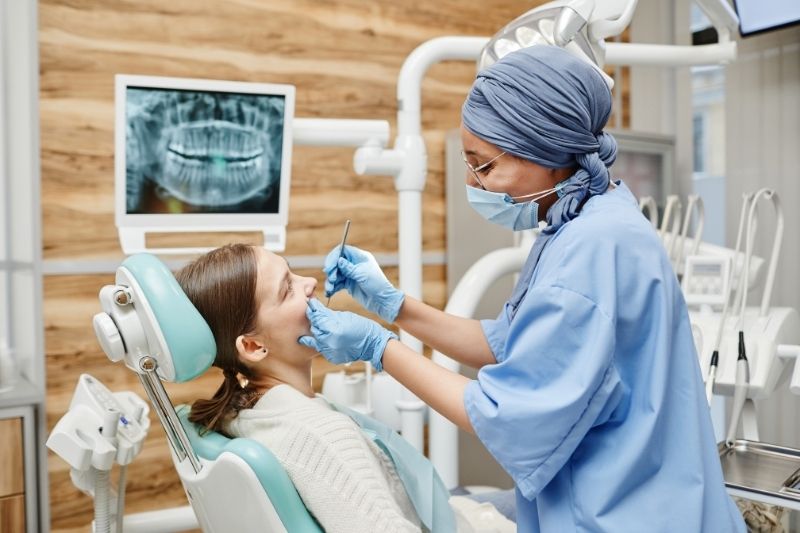
Wisdom teeth do not always cause problems, but when they become impacted, grow at an angle, or contribute to pain and swelling, a dental evaluation can help determine whether removal is appropriate. The American Dental Association explains that wisdom teeth, also called third molars, can become impacted when they are trapped beneath the gums or within the jaw because there is not enough room for them to erupt normally. Dentists generally monitor their position and look for signs of developing problems. For additional patient information, visit the American Dental Association’s guide to wisdom teeth. For patients considering wisdom tooth removal in Anaheim, understanding why these teeth sometimes cause problems and what happens during an evaluation can make the process easier
Professional Teeth Whitening in Anaheim: What to Know Before You Whiten
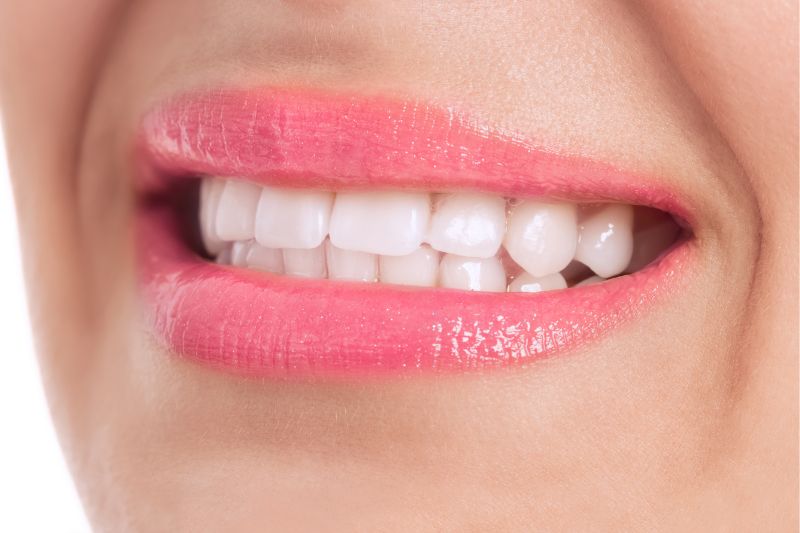
A brighter smile can make a noticeable difference in how you feel about your appearance, but not every type of tooth discoloration responds to whitening in the same way. Before choosing a whitening treatment, it helps to understand what causes stains, how professional whitening works, and whether your teeth and gums are healthy enough for treatment. The American Dental Association’s guide to teeth whitening explains that whitening products commonly use hydrogen peroxide or carbamide peroxide to break up stains and make tooth color appear lighter. The ADA also recommends discussing whitening with your dentist because results can vary depending on the condition and type of discoloration affecting your teeth. For patients considering teeth whitening in Anaheim, a professional dental evaluation