For many patients, a general dentist is the first professional they see for routine oral health care. General dentistry covers much more than fixing a tooth when it hurts. It includes preventive care, dental examinations, diagnosis, routine restorative treatment, and ongoing monitoring of the teeth and gums.
The American Dental Association explains that regular dental visits can help identify oral health problems earlier, when treatment may be simpler, while also helping prevent some problems from developing. The ADA also notes that dental visit frequency should be based on each patient’s individual needs rather than a single schedule for everyone.
For more patient guidance, visit the American Dental Association’s guide to dental visits.
For patients searching for a general dentist in Anaheim, understanding what general dentistry includes can make it easier to know when to schedule preventive care and when a new symptom deserves attention.
What Is General Dentistry?
General dentistry focuses on preventing, identifying, and treating common conditions affecting the teeth and gums.
Dental Aesthetics Professionals provides general dentistry in Anaheim that includes dental examinations, professional cleanings, dental X-rays, scaling, deep cleaning when necessary, and personalized oral hygiene planning.
A general dentist may also identify conditions that require restorative treatment or a more specialized type of dental care.
The goal is not simply to respond to pain. It is to help maintain oral health over time and identify changes before they become more complicated.
Dental Examinations
Routine examinations are an important part of general dental care.
During an exam, the dentist evaluates your teeth, gums, existing restorations, and other oral structures.
Depending on your individual needs, the examination may look for:
- Tooth decay
- Cracked or damaged teeth
- Worn or failing restorations
- Gum inflammation
- Signs of periodontal disease
- Bite changes
- Areas of unusual tooth wear
- Other changes within the mouth
A dental examination is also an opportunity to mention symptoms that may seem minor, such as occasional sensitivity or discomfort when chewing.
The ADA notes that patients can have dental problems without obvious symptoms, which is one reason regular examinations remain useful even when your mouth feels normal.
Professional Dental Cleanings
Brushing and cleaning between the teeth at home are essential, but plaque can still accumulate in difficult-to-reach areas.
When plaque remains on the teeth long enough, it can harden into tartar, also called calculus.
The ADA explains that plaque contributes to both tooth decay and gum disease and that hardened tartar makes teeth more difficult to keep clean.
Professional cleanings remove deposits from tooth surfaces and around the gumline that everyday brushing may not eliminate completely.
Dental Aesthetics Professionals includes professional teeth cleaning as part of its preventive and general dentistry services.
Dental X-Rays
Not every dental problem is visible simply by looking inside the mouth.
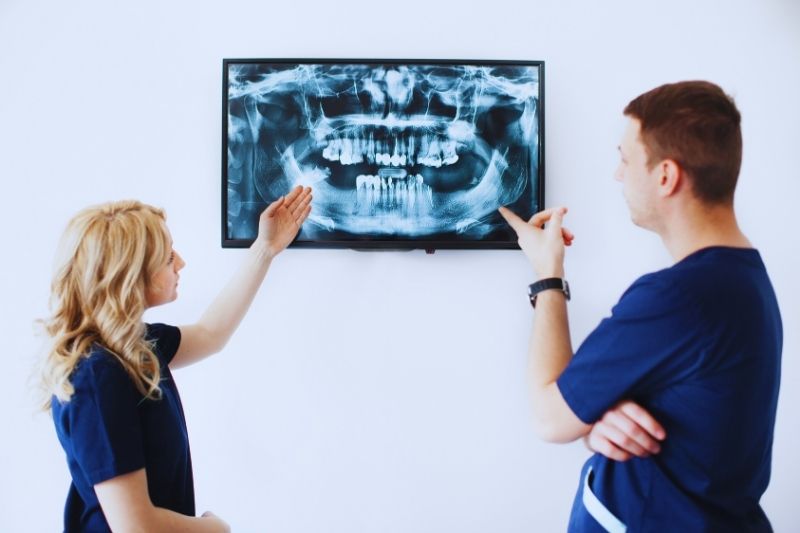
Dental X-rays may be recommended when the dentist needs additional information about teeth, roots, bone, or areas between teeth.
Whether X-rays are needed and how frequently they are taken depends on factors such as:
- Age
- Current oral health
- Dental history
- Cavity risk
- Existing symptoms
- Previous dental treatment
Dental Aesthetics Professionals lists dental X-rays among the diagnostic services used as part of its general dentistry care.
X-rays are not necessarily required at every appointment. Your dentist determines when imaging is clinically appropriate based on your individual situation.
Fillings and Other Restorative Care
General dentistry also includes treating common problems once they have been identified.
For example, a cavity may be treated with a dental filling when enough healthy tooth structure remains.
A cracked, heavily restored, or significantly damaged tooth may require a different type of restoration.
Treatment is selected according to the extent of the problem rather than using the same solution for every tooth.
Identifying decay earlier may allow more natural tooth structure to be preserved.
The ADA notes that untreated cavities can progress from the enamel into deeper layers of the tooth and potentially reach the dental pulp.
Gum Health and Deep Cleaning
Healthy gums are an important part of maintaining healthy teeth.
Plaque and tartar around the gumline can contribute to inflammation. Some patients may notice gums that appear red, swollen, tender, or that bleed during brushing and flossing.
A routine cleaning may be appropriate for patients with generally healthy gums.
If gum disease has progressed, however, a dentist may recommend a more involved cleaning procedure such as scaling and root planing or another periodontal treatment.
Dental Aesthetics Professionals’ general dentistry service includes tooth scaling and deep cleaning when these procedures are considered necessary.
The appropriate type of cleaning depends on the condition of your gums rather than simply patient preference.
Personalized Oral Hygiene Guidance
Good dental care continues after you leave the office.
Dental Aesthetics Professionals describes working with patients to develop individualized dental hygiene plans that can include examinations, X-rays, cleanings, scaling, and other preventive or diagnostic measures as needed.
Your home-care recommendations may vary depending on whether you have:
- Crowded teeth
- Dental implants
- Bridges
- Crowns
- Orthodontic appliances
- Gum problems
- A history of frequent cavities
- Difficulty cleaning particular areas
The ADA’s current general oral health recommendations include brushing twice daily with fluoride toothpaste, cleaning between the teeth every day, limiting sugar, and seeing a dentist regularly.
How Often Should You See a General Dentist?
There is no perfect interval for every patient.
Some people may be advised to return once or twice per year for routine preventive care, while others may benefit from more frequent visits.
The ADA specifically notes that dental care is not one-size-fits-all and that appointment frequency should reflect a person’s unique oral health needs.
Factors that may influence your schedule include:
- Cavity history
- Gum health
- Existing restorations
- Tobacco use
- Dry mouth
- Orthodontic treatment
- Certain health conditions
- How quickly plaque and tartar build up
Your dentist can recommend a schedule after evaluating your teeth and gums.
When Should You See a Dentist Before Your Routine Visit?
You do not need to wait until your next scheduled checkup if something changes.
Consider contacting your dentist if you notice:
- Persistent tooth pain
- Lingering sensitivity
- Pain when biting
- A chipped or cracked tooth
- Gum swelling
- A loose or damaged filling or crown
- Persistent gum bleeding
- A change in your bite
- Another unexplained oral symptom
These signs do not necessarily indicate a serious problem.
A dental examination simply allows the cause to be identified and an appropriate treatment plan to be discussed.
Is General Dentistry Only About Problems?
No.
A large part of general dentistry is preventive.
Regular care can help maintain teeth and gums before symptoms develop. Preventive appointments also allow your dental team to monitor existing fillings, crowns, implants, and other dental work.
The ADA recommends a combination of consistent home care and regular professional dental visits to support long-term oral health.
Rather than viewing dentistry only as something needed when a tooth hurts, preventive care provides an opportunity to manage oral health more consistently.
What Should You Expect at a First Dental Visit?
If you are visiting a new general dentist, your appointment may include a review of your dental and medical history, an examination of your mouth, and dental imaging when appropriate.
You should also have an opportunity to discuss:
- Current symptoms
- Previous dental treatment
- Medications
- Dental concerns
- Cosmetic goals
- Anxiety about treatment
- Questions about home care
The ADA recommends choosing a dental practice where the dentist communicates clearly, explains preventive techniques, and works with the patient as a partner in maintaining oral health.
General Dentist in Anaheim, CA
Dental Aesthetics Professionals provides general dentistry for patients in Anaheim, including dental examinations, professional cleanings, dental X-rays, scaling, deep cleaning when appropriate, and individualized oral hygiene planning.
Whether you are due for preventive care or have noticed a new concern with your teeth or gums, an examination can help determine what type of care is appropriate without assuming that extensive treatment will be necessary.
Learn more about Dental Aesthetics Professionals in Anaheim or call 714-772-3538 to arrange an appointment.