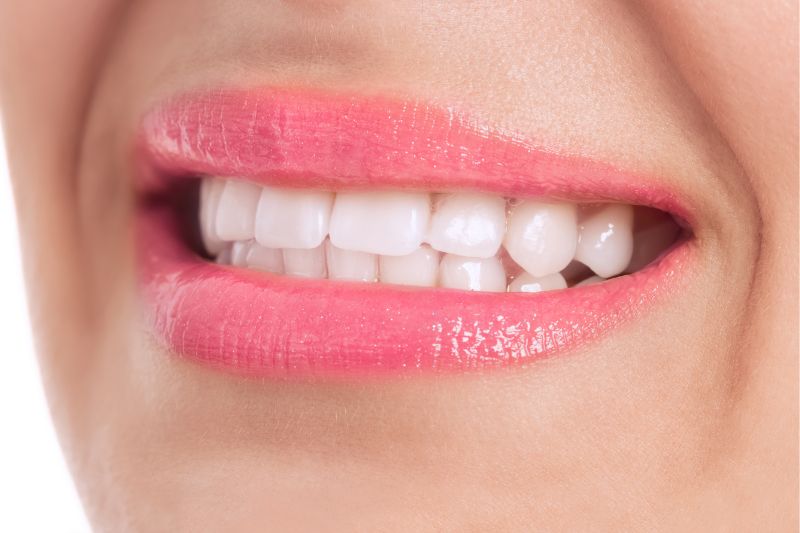
A brighter smile can make a noticeable difference in how you feel about your appearance, but not every type of tooth discoloration responds to whitening in the same way. Before choosing a whitening treatment, it helps to understand what causes stains, how professional whitening works, and whether your teeth and gums are healthy enough for treatment.
The American Dental Association’s guide to teeth whitening explains that whitening products commonly use hydrogen peroxide or carbamide peroxide to break up stains and make tooth color appear lighter. The ADA also recommends discussing whitening with your dentist because results can vary depending on the condition and type of discoloration affecting your teeth.
For patients considering teeth whitening in Anaheim, a professional dental evaluation can help determine which whitening approach is most appropriate for your smile.
Why Do Teeth Become Discolored?
Teeth can gradually change color for many reasons.
Some discoloration develops on the outside of the teeth because of foods, beverages, tobacco, and everyday habits. Other changes may occur within the tooth itself and may not respond to traditional whitening in the same way.
Common contributors to surface staining include:
- Coffee
- Tea
- Red wine
- Soda and other dark beverages
- Dark-colored berries
- Tobacco use
- Plaque and other buildup associated with inadequate oral hygiene
Your existing tooth color, age, dental restorations, and the underlying cause of discoloration can all influence the results you may achieve.
How Does Professional Teeth Whitening Work?
Professional whitening uses bleaching agents designed to lighten discoloration in natural teeth.
Rather than simply polishing away surface stains, peroxide-based whitening agents interact with stain-producing compounds within the tooth structure. The ADA describes bleaching as a process that can change the color of teeth beyond what is possible through surface cleaning alone.
Dental Aesthetics Professionals offers both in-office whitening treatments and custom home-based whitening systems, with the treatment approach selected according to the patient’s dental condition and needs.
In-Office Teeth Whitening
In-office whitening is performed under professional supervision.
One advantage is that your dental team can first evaluate your teeth and gums and determine whether there are conditions that should be treated before whitening begins.
During treatment, whitening material is applied according to the selected system while steps are taken to protect surrounding oral tissues.
In-office treatment may appeal to patients who want a professionally supervised approach rather than managing the entire whitening process themselves.
Dentist-Supervised At-Home Whitening
Professional whitening does not always have to take place entirely in the dental office.
A dentist may also provide a customized at-home system when appropriate.
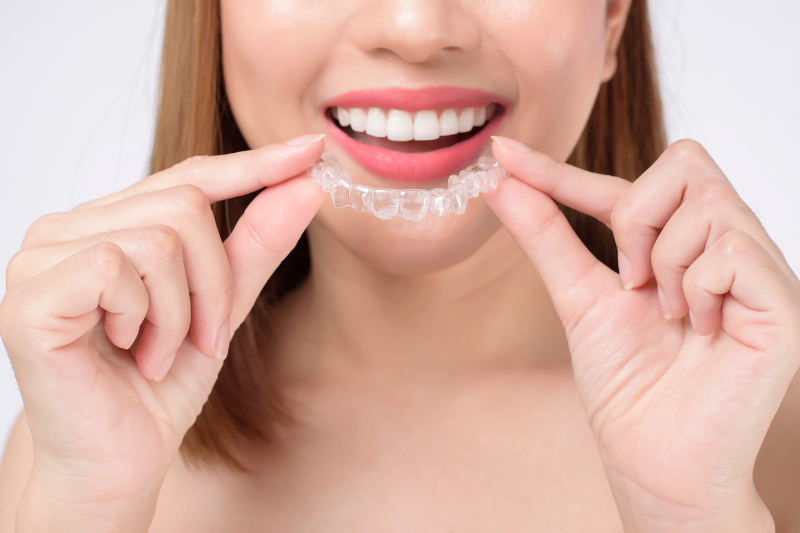
These systems may include trays designed to fit your teeth along with professional instructions regarding how and when to use the whitening material.
The ADA recognizes both professionally supervised home whitening and in-office bleaching as established approaches to whitening natural teeth.
Professional Whitening vs. Store-Bought Products
Drugstores and supermarkets offer whitening toothpastes, strips, gels, and other products.
Some over-the-counter whitening products can be effective when used correctly. The ADA recommends looking for products that have earned the ADA Seal of Acceptance, indicating that the product has met ADA requirements for safety and effectiveness for its stated purpose.
The main advantage of professional whitening is personalization.
A dentist can examine your mouth before treatment, identify restorations or dental conditions that may affect the result, and recommend an approach suited to your teeth rather than relying on a one-size-fits-all product.
Does Teeth Whitening Work on Every Tooth?
No.
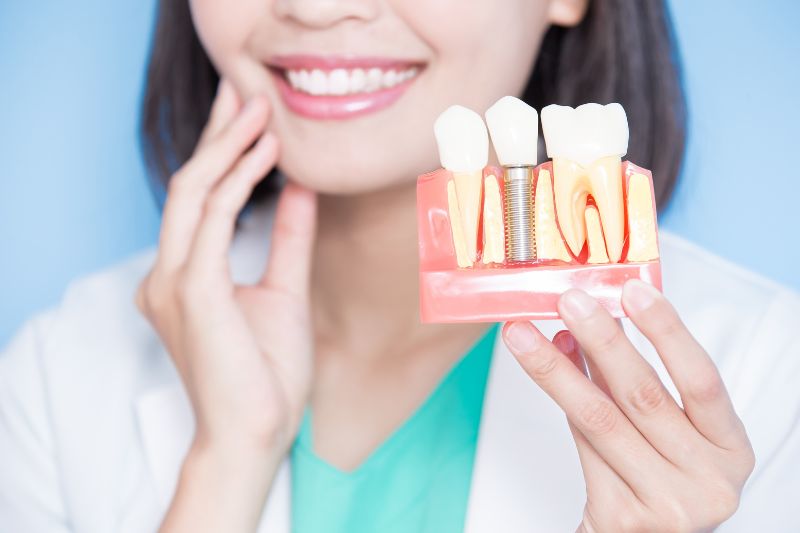
Whitening treatments work on natural tooth structure, but they may not change the color of existing dental restorations such as crowns, veneers, or tooth-colored fillings.
Some types of internal discoloration may also respond differently than common surface stains.
The ADA advises speaking with a dentist before whitening because certain methods may work better than others depending on the reason your teeth have changed color.
This is especially important if you have restorations in visible areas of your smile, since whitening your natural teeth could create a color difference between those teeth and existing dental work.
Should You Have Your Teeth Checked Before Whitening?
A dental examination before whitening can be valuable.
Cavities, gum problems, exposed root surfaces, cracks, and significant sensitivity may affect whether whitening is appropriate or comfortable.
ADA guidance notes that patients with cavities, active infections, or areas of gum recession may experience increased irritation or sensitivity from whitening, making evaluation before treatment worthwhile.
A professional cleaning may also remove certain surface deposits before whitening is considered.
Can Teeth Whitening Cause Sensitivity?
Temporary tooth sensitivity can occur during or after whitening.
Some patients may notice sensitivity to cold foods or beverages for a period following treatment. Gum irritation can also occur if whitening material contacts soft tissue.
Professional supervision allows your dentist to consider your existing sensitivity and recommend an appropriate whitening approach.
If you already have significant tooth sensitivity, mention it before starting treatment.
What About DIY Whitening Remedies?
Internet and social media posts sometimes recommend substances such as lemon juice, charcoal, baking-soda mixtures, or other homemade approaches.
“Natural” does not necessarily mean safer for teeth.
The ADA cautions that some do-it-yourself whitening methods can harm teeth or gums and recommends discussing whitening products with a dentist rather than experimenting with unproven remedies.
How Can You Help Whitening Results Last?
Teeth naturally accumulate new stains over time, so whitening results are not necessarily permanent.
You can help maintain a brighter appearance by:
- Brushing twice daily
- Cleaning between your teeth every day
- Maintaining regular professional dental cleanings
- Rinsing with water after consuming strongly colored beverages
- Limiting tobacco use
- Following your dentist’s recommendations for touch-up whitening
If you regularly drink coffee, tea, wine, or other stain-producing beverages, some discoloration may gradually return.
When Whitening May Not Be the Best Cosmetic Option
Sometimes the color of a tooth is not the only cosmetic concern.
Teeth may also have differences in shape, spacing, alignment, wear, chips, or existing restorations.
In these situations, whitening alone may not produce the change you are hoping for.
A cosmetic dental evaluation allows you to discuss your priorities and determine whether whitening by itself is appropriate or whether another treatment should be considered.
Teeth Whitening in Anaheim, CA
If stains from coffee, tea, wine, tobacco, or everyday habits have left your smile looking darker than you would like, professional whitening may be an option.
Dental Aesthetics Professionals offers both in-office and customized home-based teeth whitening options for patients in Anaheim. The appropriate system depends on your dental condition and individual goals.
Before beginning treatment, your dentist can evaluate your teeth and gums, discuss the type of discoloration you have, and help you choose an appropriate approach.
Learn more about Dental Aesthetics Professionals in Anaheim or call 714-772-3538 to schedule an appointment.
Dental Aesthetics Professionals
1751 W. Romneya Drive, Suite-D
Anaheim, CA 92801