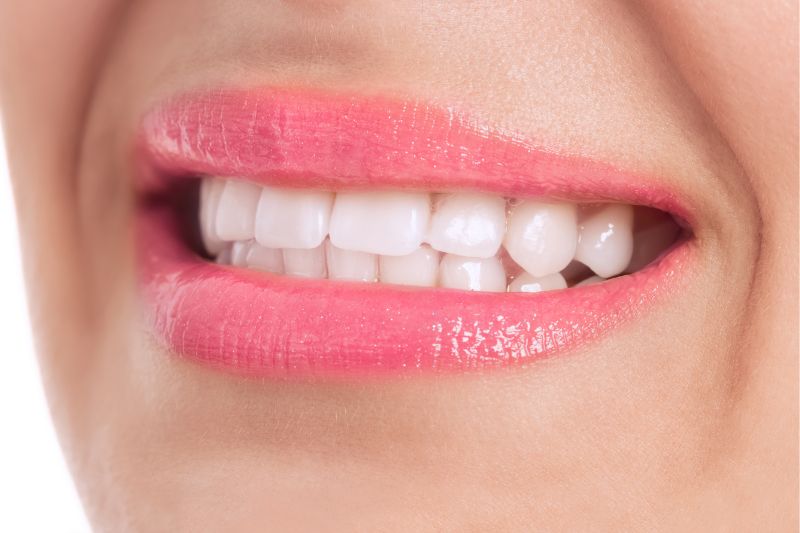
If you want to improve the appearance of chipped, stained, uneven, or misshapen teeth, both dental veneers and bonding may be worth discussing with a cosmetic dentist. The two treatments can address some similar concerns, but they work differently and are not interchangeable.
The American Dental Association explains that veneers are thin, tooth-colored coverings placed over the front of teeth, while dental bonding involves attaching restorative material directly to tooth structure.
For additional patient information, see the American Dental Association’s guide to improving your smile.
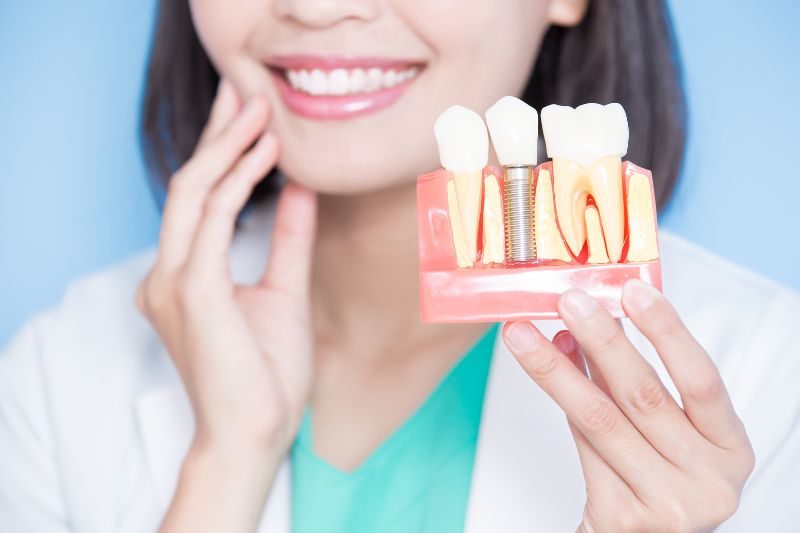
Dental Aesthetics Professionals offers cosmetic dentistry in Anaheim that includes veneers, dental bonding, teeth whitening, crowns, implants, bridges, and orthodontic options.
What Are Dental Veneers?
Dental veneers are thin restorations designed to cover the front surface of selected teeth.
They are generally used to improve appearance rather than replace an entire tooth. Depending on the patient’s needs, veneers may help improve teeth that are:
- Chipped
- Stained
- Misshapen
- Uneven in appearance
- Slightly crooked
- Separated by certain visible gaps
The ADA notes that veneers differ from crowns because a veneer primarily covers the front surface of a tooth, while a crown covers substantially more of the tooth.
What Is Dental Bonding?
Dental bonding generally involves applying tooth-colored restorative material directly to a tooth and shaping it to improve appearance or repair a minor defect.
The ADA describes bonding as attaching restorative material directly to the natural tooth structure.
Depending on the situation, bonding may be considered for concerns such as:
- Small chips
- Minor shape irregularities
- Small gaps
- Areas of discoloration
- Certain worn edges
A dental examination is necessary to determine whether the tooth is healthy enough for cosmetic treatment and which method is appropriate.
What Is the Main Difference Between Veneers and Bonding?
The main difference is how the restoration is created and placed.
With direct bonding, tooth-colored material is applied and shaped directly on the tooth.
A porcelain veneer is typically a custom-made shell that is bonded over the front surface after the tooth has been prepared.
The ADA notes that porcelain veneers generally require removal of a small amount of enamel to create room for the restoration. Because enamel is removed, traditional veneer treatment is considered irreversible.
This makes treatment planning especially important before choosing veneers.
Which Option Requires Less Tooth Preparation?
Bonding often requires less alteration of natural tooth structure than traditional porcelain veneers, depending on the individual case.
The ADA specifically notes that composite veneers may require less enamel removal than porcelain veneers.
However, the amount of preparation should not be assumed in advance.
Your dentist needs to evaluate the existing shape, alignment, enamel, bite, and cosmetic goal before recommending treatment.
Which Looks More Natural?
Both treatments can be designed to blend with natural teeth.
Porcelain veneers are custom-made and can provide significant control over the color, shape, and proportions of visible teeth.
Bonding also uses tooth-colored material and may provide a natural-looking result when used for appropriate cosmetic concerns.
The best aesthetic result depends on more than the material itself. Tooth position, surrounding teeth, bite, gumline, and the extent of the correction all matter.
Which Treatment Is Better for a Chipped Tooth?
That depends on how much of the tooth is damaged.
A small cosmetic chip may sometimes be suitable for dental bonding.
A larger defect, extensive wear, or a tooth requiring broader cosmetic coverage may be better suited to another restoration.
If the tooth is significantly fractured or structurally weakened, a cosmetic veneer or bonding may not provide enough protection. A dental crown or another restorative treatment may be more appropriate.
This is why chipped teeth should be evaluated before choosing treatment based only on appearance.
Can Veneers or Bonding Whiten Teeth?
They can change the visible color of treated teeth, but neither treatment is the same as teeth whitening.
Professional whitening changes the shade of natural tooth structure. Veneers and bonding instead place tooth-colored restorative material over or onto selected areas.
If discoloration is the main concern and the teeth are otherwise healthy, whitening may be a more conservative option.
If discoloration occurs together with changes in tooth shape, chips, or other cosmetic concerns, restorative treatment may be considered.
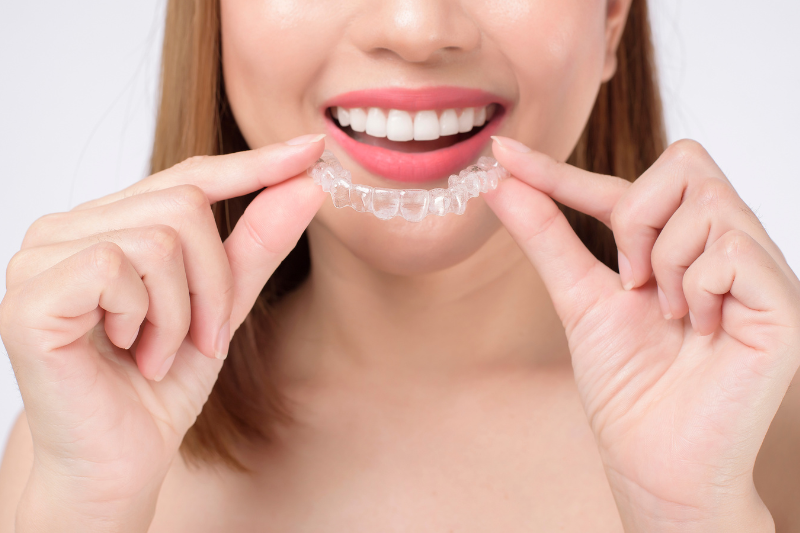
Dental Aesthetics Professionals offers several cosmetic options, including teeth whitening, veneers, bonding, and crowns, allowing treatment to be selected according to the patient’s specific goals.
Will Whitening Work on Veneers or Bonding?
Whitening products generally affect natural tooth structure rather than changing the color of existing restorations in the same way.
For that reason, patients considering both whitening and cosmetic restorations should discuss the sequence of treatment with their dentist.
For example, a dentist may want to establish the desired shade of surrounding natural teeth before selecting the color of a new veneer or bonded restoration.
Planning ahead can help produce a more consistent final appearance.
Are Veneers Permanent?
Veneers should not be thought of as permanent in the sense that they will never need attention again.
The ADA notes that veneers can chip, crack, wear, loosen, or eventually need repair or replacement.
Porcelain veneer treatment is also generally considered irreversible because some natural enamel is removed during preparation.
Patients considering veneers should understand both the cosmetic benefits and the long-term commitment before proceeding.
Can Dental Bonding Break or Stain?
Bonding material is exposed to everyday biting, chewing, foods, beverages, and oral habits.
Like other restorations, it can wear or become damaged over time.
Patients with bonding should avoid using their teeth to bite fingernails, open packaging, or chew very hard objects.
Regular dental examinations allow the restoration and surrounding tooth structure to be checked.
Do You Need Healthy Teeth Before Cosmetic Dentistry?
Yes.
Cosmetic treatment should not simply cover an active dental problem.
The ADA advises that existing issues such as tooth decay or gum disease should be treated before veneers are placed because covering an unhealthy tooth can worsen underlying problems.
Before cosmetic treatment, your dentist may evaluate:
- Tooth decay
- Gum health
- Existing fillings or crowns
- Cracks
- Bite alignment
- Tooth grinding or clenching
- Available enamel
- Overall oral hygiene
Healthy foundations generally make cosmetic treatment more predictable.
What If You Grind Your Teeth?
Grinding and clenching place extra pressure on natural teeth and restorations.
The ADA notes that people who grind their teeth or have certain bite conditions may not be ideal candidates for veneers without additional consideration.
If you wake with jaw soreness, have worn teeth, or know that you grind at night, mention this during your cosmetic consultation.
Your dentist can evaluate whether the habit may affect treatment selection or longevity.
Veneers vs. Bonding: How Do You Choose?
There is no universal winner.
Bonding may be attractive when the cosmetic concern is relatively limited and a more conservative direct restoration is appropriate.
Veneers may be considered when broader changes to the visible shape or color of a tooth are desired and the patient understands the required tooth preparation.
Important factors include:
- Number of teeth involved
- Amount of cosmetic change desired
- Existing enamel and tooth structure
- Bite
- Tooth grinding
- Current restorations
- Oral health
- Long-term expectations
The most conservative treatment capable of meeting the clinical and cosmetic goal is often worth discussing first.
Cosmetic Dentistry in Anaheim, CA
Dental Aesthetics Professionals provides cosmetic dental services for patients who would like to improve the appearance of their smiles. Available options listed by the practice include dental veneers, dental bonding, teeth whitening, crowns, implants, bridges, and orthodontic treatment, with recommendations based on individual dental needs.
If you are considering veneers, bonding, or another cosmetic treatment, an examination can help determine which approach is appropriate without assuming that the most extensive treatment is always necessary.
Learn more about cosmetic dentistry at Dental Aesthetics Professionals or call 714-772-3538 to schedule a consultation.
Dental Aesthetics Professionals
1751 W. Romneya Drive, Suite-D
Anaheim, CA 92801
714-772-3538