Dental fillings can restore teeth affected by cavities, wear, cracks, or other damage, but no restoration should be assumed to last forever. Years of biting and chewing can gradually wear a filling or the natural tooth surrounding it.
That does not mean an older filling automatically needs to be replaced. A filling that remains intact, comfortable, and clinically healthy may continue functioning for years. Replacement is generally considered when a dentist identifies a specific problem rather than simply because a restoration has reached a certain age.
The American Dental Association’s guide to dental filling options explains that several materials can be used for dental restorations and that the appropriate choice depends on factors such as the size and location of the cavity, appearance, durability, cost, and individual patient needs.
For patients with dental fillings in Anaheim, knowing the signs of a worn or damaged restoration can help you determine when it is worth scheduling an examination.
Why Do Dental Fillings Need Replacement?
A filling is subjected to pressure every time you bite or chew.
Over time, normal wear can affect the restoration itself or the tooth around it. A filling may chip, crack, loosen, or develop an imperfect margin where it meets the natural tooth.
Dental Aesthetics Professionals’ existing dental filling information notes that fillings may eventually require replacement because of tooth wear or damage. The practice also provides different restorative options based on the condition of the tooth.
Replacement should be based on the condition of the restoration and tooth rather than age alone.
How Long Should a Dental Filling Last?
There is no single lifespan that applies to every filling.
Longevity can depend on the material, size of the restoration, location in the mouth, chewing forces, oral hygiene, tooth grinding, diet, and condition of the remaining natural tooth.
A small restoration in a lightly stressed area may behave differently from a very large filling in a back molar.
Regular dental examinations allow your dentist to monitor existing restorations and identify changes before they necessarily become painful.
Signs an Old Filling Should Be Checked
A change around an existing filling does not automatically mean it needs replacement, but certain symptoms deserve evaluation.
Common reasons to have a filling checked include:
- New sensitivity to hot, cold, or sweet foods
- Pain or discomfort when biting
- A filling that feels loose or moves
- A visible crack or missing piece
- A rough or sharp edge
- Food repeatedly becoming trapped near the restoration
- A noticeable change in the way your bite feels
- Tooth pain around a previously restored tooth
The ADA notes that worn fillings are one possible cause of sensitive teeth, along with cavities, fractured teeth, gum disease, worn enamel, and exposed tooth roots.
Because several dental problems can produce similar symptoms, an examination is the best way to identify the cause.
Can a Filling Crack?
Yes.
Fillings experience repeated stress from everyday function. Large restorations, heavy biting forces, or tooth grinding can increase the amount of pressure placed on both the filling and the remaining tooth.
A crack may involve only the restoration, or it may extend into natural tooth structure.
Treatment depends on what has actually been damaged.
A dentist may be able to replace the filling when the remaining tooth is healthy and strong enough. More substantial structural damage may require another restoration, such as a dental crown.
What Happens if a Filling Becomes Loose?
A loose filling can allow food and plaque to collect around areas that were previously sealed.
The tooth may also become sensitive.
If you believe a restoration has loosened, avoid repeatedly testing it with your tongue or biting hard foods on the affected side.
Contact your dental office and arrange an evaluation.
The dentist can determine whether the restoration can be repaired, should be replaced, or whether something else is affecting the tooth.
Can a Cavity Form Around an Existing Filling?
Yes.
A restored tooth is still a natural tooth, and portions of it remain susceptible to decay.
Plaque can accumulate where a filling meets natural tooth structure. If decay develops in this area, the existing restoration may need to be removed so the underlying problem can be treated.
This is one reason filled teeth still require the same basic preventive care as teeth that have never been restored.
The ADA recommends brushing twice daily with fluoride toothpaste, cleaning between the teeth daily, limiting added sugar, and maintaining regular dental visits.
Does a Dark Line Around a Filling Mean Decay?
Not necessarily.
Changes in appearance can have several explanations, including staining, the color of the restorative material, or changes at the margin of an older filling.
Visual appearance alone is not enough to determine whether decay is present.
If you notice a new dark area, rough edge, or other change around a restoration, mention it during your dental examination.
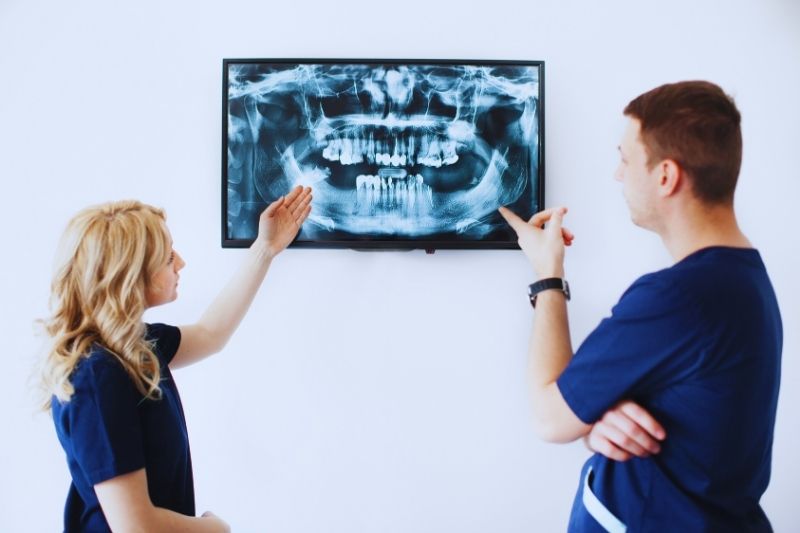
Your dentist can evaluate the tooth clinically and may recommend dental imaging when additional information is needed.
Do Silver Fillings Need to Be Replaced With White Fillings?
Not simply because they are silver-colored.
The ADA continues to recognize several types of dental filling materials, including tooth-colored composite resin and dental amalgam. Material selection should be individualized according to the tooth and the patient’s needs.
An intact restoration generally should not be assumed to require replacement solely because of its color.
If an older filling is damaged, leaking, fractured, associated with decay, or otherwise clinically unsuitable, your dentist can discuss appropriate replacement materials.
Dental Aesthetics Professionals’ service information describes both metal and tooth-colored options among the restorative materials that may be considered for dental fillings.
What Are Tooth-Colored Composite Fillings?
Composite fillings are designed to resemble natural tooth structure more closely than traditional silver-colored restorations.
The ADA explains that composite resin contains a mixture of glass or quartz filler and can provide good durability for many small to medium-sized restorations. It can be used in both front and back teeth depending on the clinical situation.
Appearance is only one consideration.
The location and size of the damaged area, chewing forces, moisture control, remaining tooth structure, and other factors can influence which filling material is appropriate.
Does Every Damaged Filling Need Another Filling?
No.
Treatment depends on how much healthy tooth structure remains.
If the problem is limited and the tooth is strong enough, replacing the filling may be appropriate.
If the tooth has become substantially weakened by a large previous restoration, fracture, or extensive new decay, a crown or another restorative treatment may provide better protection.
In more serious cases involving the dental pulp, additional treatment may also be necessary.
The goal is to choose a restoration appropriate to the actual condition of the tooth rather than automatically repeating the previous treatment.
What Happens When an Old Filling Is Replaced?
The dentist first examines the tooth and determines why replacement is necessary.
When a new filling is appropriate, local anesthesia may be used to keep the treatment area comfortable. The old or damaged material and any unhealthy tooth structure are removed as needed.
The tooth is then prepared and restored with the selected filling material.
Dental Aesthetics Professionals notes that local anesthesia is used during filling treatment and that the restoration is shaped according to the tooth’s form and function.
The exact procedure and appointment time depend on the size and location of the restoration.
Can You Wait Until an Old Filling Hurts?
Waiting for pain is not the most reliable strategy.
A worn margin, small fracture, or early area of decay may initially cause no symptoms.
Regular examinations allow existing dental work to be evaluated before a problem becomes more extensive.
That does not mean dentists should automatically replace every older restoration. Rather, preventive visits provide an opportunity to distinguish between fillings that are still functioning well and those that show a clinical reason for treatment.
Can Grinding Damage Dental Fillings?
Grinding and clenching can create additional pressure on teeth and restorations.
Patients who grind their teeth may notice worn tooth surfaces, damaged restorations, jaw discomfort, or morning headaches.
If you suspect you clench or grind, mention it during your dental visit.
Your dentist can evaluate whether excessive bite forces are contributing to recurrent filling problems and discuss options for protecting the teeth when appropriate.
How Can You Help Dental Fillings Last?
Good oral hygiene remains important after a tooth has been restored.
Brush twice daily with fluoride toothpaste and clean between your teeth every day. Avoid using teeth to crack hard objects or open packaging, and have persistent tooth grinding evaluated.
Regular dental examinations also allow fillings and surrounding tooth structure to be monitored over time.
The best approach is not necessarily to make a restoration last at all costs. It is to keep the entire tooth healthy and address problems when there is a clear reason to do so.
Dental Filling Replacement in Anaheim, CA
Dental Aesthetics Professionals provides dental fillings and restorative care for patients in Anaheim. Existing fillings can be evaluated for wear or damage, and treatment options can be discussed if a restoration actually needs replacement. The practice’s dental filling service also addresses cavities, chipped teeth, cracks, and worn teeth when appropriate.
If an older filling feels different, has become sensitive, or you simply want to know whether your existing restorations are still healthy, a dental examination can provide an answer without assuming they all need to be replaced.
Visit Dental Aesthetics Professionals or call 714-772-3538 to arrange an evaluation. The practice is located at:
Dental Aesthetics Professionals
1751 W. Romneya Drive, Suite-D
Anaheim, CA 92801
714-772-3538