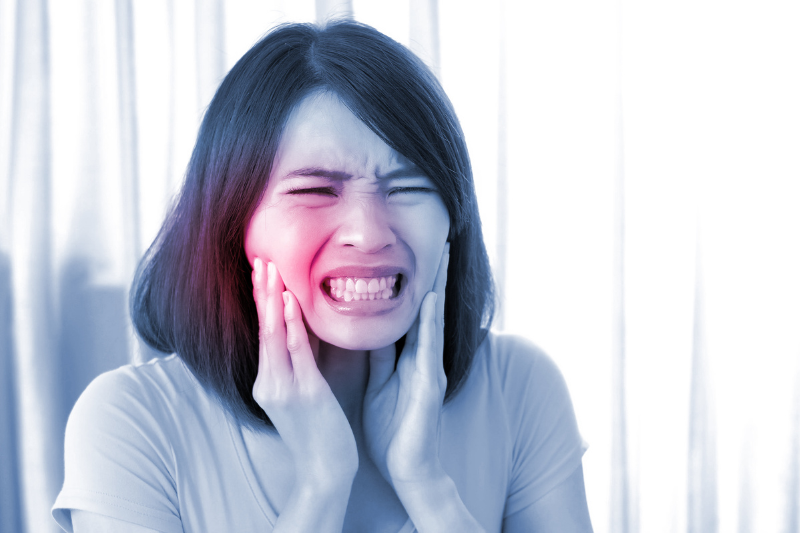
Do you wake up with a sore jaw, experience frequent morning headaches, or notice that your teeth seem flatter than they used to? These symptoms can have several causes, but one possibility is teeth grinding, a condition dentists call bruxism.
Bruxism involves grinding, clenching, or pressing the teeth together, often without realizing it. Some people clench their teeth during stressful situations, while others grind their teeth while sleeping.
Occasional grinding does not necessarily cause dental problems. However, frequent or forceful grinding can place additional stress on teeth, dental restorations, and jaw muscles.
According to the National Institute of Dental and Craniofacial Research, bruxism can contribute to tooth wear, chipped teeth, jaw discomfort, headaches, and other symptoms. Mild cases may not require treatment, but more significant grinding may benefit from protective dental appliances or other management strategies.
For additional patient information, visit the National Institute of Dental and Craniofacial Research’s guide to bruxism. NIDCR
For patients experiencing teeth grinding in Anaheim, understanding the signs of bruxism and how custom night guards work can help determine when a dental evaluation may be useful.
What Is Bruxism?
Bruxism is the medical term for involuntary or habitual teeth grinding and clenching.
There are two main forms of bruxism.
Awake bruxism occurs while a person is conscious. It often involves clenching or holding the jaw muscles tightly rather than making obvious grinding movements.
Sleep bruxism occurs during sleep. Because the person is unaware of the activity, it may go unnoticed until symptoms or dental changes develop.
Both forms can affect the teeth and surrounding muscles.
However, the causes and management strategies may differ depending on when the grinding occurs.
What Are the Common Signs of Teeth Grinding?
Many people do not realize they grind their teeth until a dentist notices unusual wear or someone hears them grinding during sleep.
Possible symptoms include:
- Jaw soreness after waking
- Morning headaches
- Flattened or worn tooth surfaces
- Chipped or cracked teeth
- Increased tooth sensitivity
- Tight or tired jaw muscles
- Discomfort when chewing
- Facial muscle tenderness
- Damage to existing dental restorations
- Grinding sounds during sleep
The National Institute of Dental and Craniofacial Research identifies tooth wear, jaw muscle discomfort, headaches, and tooth sensitivity among the possible signs of bruxism. NIDCR
These symptoms are not exclusive to teeth grinding.
A dental examination can help determine whether bruxism is contributing to the problem.
Why Do People Grind Their Teeth at Night?
Sleep bruxism is a complex condition, and its exact causes are not always clear.
Several factors may contribute, including:
- Stress and emotional tension
- Sleep-related conditions
- Certain medications
- Genetic factors
- Tobacco use
- Alcohol consumption
- Caffeine intake
Bruxism does not necessarily have one identifiable cause.
Some people grind their teeth during particularly stressful periods, while others experience ongoing sleep bruxism without recognizing an obvious trigger.
Identifying possible contributing factors can help guide management.
Can Stress Cause Teeth Grinding?
Stress can contribute to bruxism, particularly daytime clenching.
For example, someone concentrating intensely at work may unknowingly press their teeth together for extended periods.
This can happen while:
- Working at a computer
- Driving
- Studying
- Completing demanding tasks
- Responding to stressful situations
Becoming aware of these habits is an important first step.
During normal relaxed jaw posture, the upper and lower teeth are generally slightly separated rather than continuously touching.
Patients who frequently clench during the day may benefit from reminders to relax their jaw muscles.
How Does Teeth Grinding Affect Tooth Enamel?
Enamel is the hard outer layer that protects the visible portion of a tooth.
Although enamel is highly durable, repeated grinding forces can gradually wear down tooth surfaces.
As enamel becomes thinner, the underlying dentin may become more exposed.
This can contribute to:
- Tooth sensitivity
- Flattened biting surfaces
- Changes in tooth appearance
- Increased vulnerability to certain types of damage
Enamel that has been physically worn away does not grow back.
This is why identifying significant grinding before extensive tooth wear develops can be helpful.
Can Teeth Grinding Cause Cracked Teeth?
Yes.
Repeated heavy biting forces can contribute to cracks or fractures in susceptible teeth.
Teeth with large existing fillings or weakened structure may be particularly vulnerable to additional stress.
A patient who grinds their teeth may notice:
- Small chips along tooth edges
- Cracks in enamel
- Broken dental restorations
- Discomfort when biting
- Changes in the appearance of worn teeth
However, not every crack is caused by bruxism.
Dental trauma, decay, previous restorations, and other factors can also contribute.
The dentist must evaluate the individual tooth before recommending treatment.
Can Bruxism Damage Dental Crowns and Fillings?
Dental restorations are designed to withstand normal chewing forces.
However, frequent grinding or clenching can place additional pressure on restorations.
Over time, excessive forces may contribute to:
- Chipped restorative material
- Fractured crowns
- Damaged fillings
- Increased wear
- Discomfort around restored teeth
Patients who have multiple crowns, veneers, or other restorations should mention any known grinding habits to their dentist.
A protective appliance may sometimes be recommended to help reduce direct contact between the teeth during sleep.
Why Does My Jaw Hurt When I Wake Up?
Morning jaw discomfort can occur when the chewing muscles have been active during sleep.
Grinding and clenching can place repeated demands on these muscles.
Some patients describe their jaw as:
- Tired
- Tight
- Stiff
- Tender
- Difficult to relax
However, jaw pain can have several causes, including temporomandibular disorders, dental problems, muscle strain, and other conditions.
Bruxism is only one possible explanation.
Persistent jaw discomfort should be evaluated rather than automatically attributed to nighttime grinding.
What Is the Difference Between Bruxism and TMJ Disorders?
Bruxism and temporomandibular disorders are related concepts, but they are not the same condition.
Bruxism refers to grinding, clenching, or related jaw muscle activity.
Temporomandibular disorders, commonly called TMD, involve problems affecting the jaw joints, chewing muscles, or surrounding structures.
The temporomandibular joints connect the lower jaw to the skull and help control movements used for speaking, chewing, and swallowing.
Some patients with bruxism also experience jaw muscle pain or symptoms associated with TMD.
However, not everyone who grinds their teeth develops a temporomandibular disorder.
The National Institute of Dental and Craniofacial Research recommends conservative, reversible approaches for many TMD symptoms and cautions against assuming that permanent changes to the bite are necessary. NIDCR
What Is a Dental Night Guard?
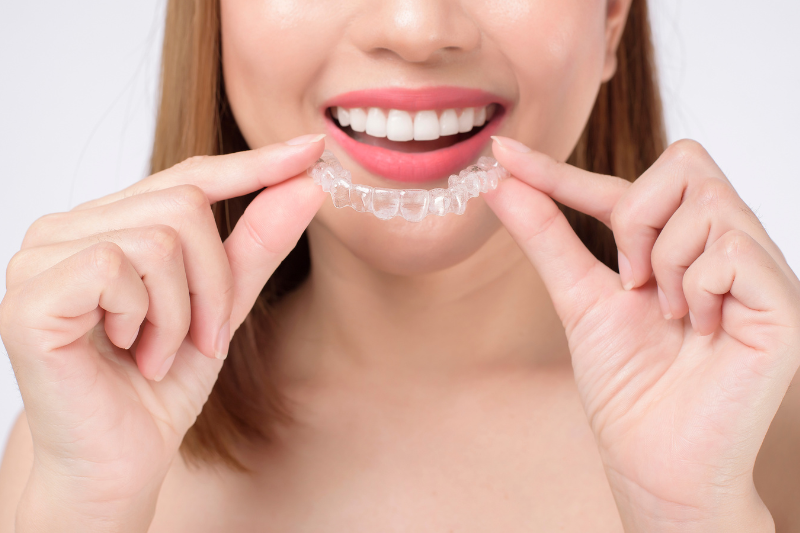
A dental night guard is a removable appliance designed to fit over the teeth during sleep.
It creates a protective barrier between the upper and lower teeth.
Night guards are commonly considered for patients who grind or clench their teeth at night.
Depending on the appliance design and individual condition, a night guard may help:
- Reduce direct tooth-to-tooth wear
- Protect vulnerable tooth surfaces
- Reduce the risk of certain types of damage
- Protect existing dental restorations
- Separate the teeth during grinding episodes
A night guard does not necessarily stop the underlying grinding activity.
Its primary purpose is often to protect the teeth from the effects of that activity.
How Does a Custom Night Guard Work?
A custom night guard is made to fit an individual’s teeth.
The dentist evaluates the patient’s bite and dental condition before selecting an appropriate appliance design.
An impression or digital scan may be used to create a model of the teeth.
The appliance is then fabricated to fit the patient’s dental anatomy.
The dentist checks the fit and makes adjustments when necessary.
A properly fitted night guard should remain secure during normal use without causing significant discomfort.
Custom Night Guard vs. Store-Bought Mouthguard
Patients may notice that mouthguards are available at pharmacies and sporting goods stores.
However, not all mouthguards serve the same purpose.
A sports mouthguard is primarily designed to protect the teeth from impacts during athletic activities.
An over-the-counter night guard may use a generic or moldable design.
A professionally made custom night guard is fabricated using the patient’s dental measurements and selected according to the clinical situation.
Custom appliances can offer advantages in fit and allow the dentist to assess how the appliance interacts with the bite.
However, a custom night guard is not automatically necessary for every patient who occasionally clenches their teeth.
A dental evaluation helps determine whether an appliance is appropriate.
Does a Night Guard Stop Teeth Grinding?
Not necessarily.
A night guard is primarily a protective device.
Some patients may experience changes in muscle activity while using an appliance, but the guard does not reliably eliminate the underlying cause of bruxism.
For example, a patient whose grinding is associated with stress or a sleep-related condition may require additional management.
Treatment may therefore involve a combination of approaches rather than relying exclusively on a night guard.
Can a Night Guard Help With Jaw Pain?
Some patients experience improvement in certain jaw symptoms while using an appropriately selected appliance.
However, night guards are not guaranteed to relieve jaw pain.
Jaw discomfort may involve muscles, joints, dental conditions, or other causes.
The National Institute of Dental and Craniofacial Research notes that evidence supporting oral appliances for TMD-related pain is limited. Appliances should not be designed to permanently change the bite, and patients should stop using an appliance and consult their clinician if it causes pain. NIDCR
The most appropriate treatment depends on the diagnosis.
What Happens During a Bruxism Evaluation?
A dental examination for suspected teeth grinding generally begins with a discussion of symptoms.
The dentist may ask whether you:
- Wake with jaw soreness
- Experience frequent headaches
- Notice tooth sensitivity
- Clench during the day
- Have been told you grind while sleeping
- Have recently damaged a filling or crown
- Experience sleep disturbances
The dentist may then examine the teeth for wear, cracks, or damaged restorations.
The jaw muscles and joints may also be evaluated for tenderness or movement problems.
Additional testing or referral may be appropriate when a sleep-related condition is suspected.
Can Sleep Apnea Be Related to Teeth Grinding?
Sleep bruxism and obstructive sleep apnea can occur in the same patient.
However, teeth grinding does not automatically mean someone has sleep apnea.
Obstructive sleep apnea is a medical sleep disorder involving repeated breathing interruptions during sleep.
Possible symptoms include loud snoring, witnessed breathing pauses, and excessive daytime sleepiness.
Patients experiencing these symptoms should discuss them with an appropriate healthcare professional.
A conventional night guard for grinding is not a substitute for a medically prescribed sleep apnea treatment device.
If sleep apnea is suspected, a dentist may recommend further evaluation by a sleep medicine professional.
What Can You Do About Daytime Teeth Clenching?
Daytime clenching may improve when patients become more aware of the habit.
A useful starting point is to check your jaw position periodically.
When the jaw is relaxed, the teeth should generally remain slightly apart.
Other strategies may include:
- Taking breaks during concentrated work
- Practicing relaxation techniques
- Reducing unnecessary jaw tension
- Avoiding prolonged chewing of gum
- Maintaining regular sleep habits
- Discussing persistent symptoms with a healthcare professional
The goal is to reduce unnecessary muscle activity without forcing the jaw into an uncomfortable position.
Can Lifestyle Changes Help With Bruxism?
Some lifestyle adjustments may help manage contributing factors.
The National Institute of Dental and Craniofacial Research identifies stress management, reducing certain substances, and improving awareness of daytime clenching as possible approaches. NIDCR
Patients may benefit from:
- Maintaining a consistent sleep schedule
- Limiting excessive caffeine
- Reducing alcohol consumption
- Avoiding tobacco
- Practicing relaxation techniques
- Addressing stress when possible
- Seeking evaluation for sleep-related symptoms
These measures do not guarantee that bruxism will stop.
However, they may be useful components of an individualized management plan.
How Do You Clean a Dental Night Guard?
A night guard needs regular cleaning because it comes into contact with saliva and oral bacteria.
Patients should follow the cleaning instructions provided for their specific appliance.
General care may include:
- Rinsing the guard after use
- Cleaning it with an appliance-appropriate product
- Avoiding hot water that could distort the material
- Allowing it to dry as instructed
- Storing it in a ventilated protective case
- Keeping it away from pets
- Bringing it to dental appointments for inspection
Some cleaning products can damage particular appliance materials.
Ask your dental team which cleaning method is appropriate for your guard.
How Long Does a Custom Night Guard Last?
The lifespan of a night guard varies.
Factors that influence durability include:
- Grinding intensity
- Frequency of use
- Appliance material
- Cleaning habits
- Changes in tooth position
- Accidental damage
Patients who grind heavily may wear through an appliance sooner than those with less frequent grinding.
A night guard should be checked periodically for cracks, excessive wear, and changes in fit.
If the appliance becomes uncomfortable or no longer fits securely, contact your dentist before continuing to use it.
When Should You See a Dentist About Teeth Grinding?
Consider arranging a dental evaluation if you experience:
- Frequent morning jaw soreness
- Noticeable tooth wear
- Repeatedly chipped teeth
- Broken fillings or crowns
- Persistent tooth sensitivity
- Jaw muscle fatigue
- Grinding sounds reported by a sleeping partner
- Discomfort associated with clenching
A dental examination does not automatically mean you will need a night guard.
Some patients may benefit from monitoring, habit awareness, or other conservative measures.
Others may need an appliance to help protect their teeth.
The appropriate recommendation depends on the severity of the grinding, the condition of the teeth, and the presence of other symptoms.
Teeth Grinding and Dental Night Guard Evaluations in Anaheim, CA
Dental Aesthetics Professionals provides general and restorative dental care for patients in Anaheim.
If you frequently wake with jaw discomfort, notice changes in your tooth surfaces, or suspect that you grind your teeth while sleeping, a dental examination can help identify possible signs of bruxism.
The dentist can evaluate tooth wear, existing restorations, and jaw symptoms and discuss whether monitoring, behavioral changes, a protective appliance, or further evaluation may be appropriate.
Not everyone who grinds their teeth needs extensive treatment. The goal is to identify meaningful dental risks and choose a reasonable approach for protecting your oral health.
Learn more about general dental care at Dental Aesthetics Professionals or call 714-772-3538 to schedule an evaluation and ask about custom night guard availability.