Introduction
A chipped or broken tooth can happen unexpectedly while eating, playing sports, falling, or biting into something hard. Even if the damage seems minor, it’s important not to ignore it. A small chip can sometimes expose the inner layers of the tooth, increasing the risk of sensitivity, decay, or infection if left untreated.
The good news is that many chipped and broken teeth can be successfully repaired with modern dental treatments. Acting quickly and knowing what to do immediately after the injury can improve the outcome and help preserve your natural tooth.
Whether your tooth has a tiny chip or a significant fracture, understanding the appropriate steps to take can help you protect your oral health and minimize complications.
Common Causes of Chipped or Broken Teeth
Although tooth enamel is one of the hardest substances in the human body, it is not indestructible.
Teeth may chip or break because of:
- Biting hard foods such as ice, popcorn kernels, or hard candy
- Sports-related injuries
- Falls or accidents
- Vehicle collisions
- Teeth grinding or clenching
- Large cavities that weaken the tooth
- Old or worn dental fillings
- Using your teeth to open packages or bottles
Knowing the cause of the injury can help your dentist determine the most appropriate treatment.
Stay Calm and Assess the Damage
If you chip or break a tooth, the first step is to remain calm.
Look at the affected tooth in a mirror if possible and determine whether:
- A small piece has chipped off
- A larger section has broken
- The tooth is cracked
- The tooth is loose
- There is bleeding
- You are experiencing pain
Even if there is little or no discomfort, it’s still important to schedule a dental evaluation because damage is not always visible from the outside.
Rinse Your Mouth
Gently rinse your mouth with warm water to remove blood, debris, or food particles.
Keeping the area clean reduces the risk of irritation and allows you to better assess the injury.
Avoid using very hot or very cold water if the tooth is sensitive.
Save Any Broken Pieces
If you find fragments of the broken tooth, try to save them.
Place the pieces in:
- A clean container
- Milk
- Saline solution
- Your own saliva if nothing else is available
Although not every fragment can be reattached, bringing the pieces to your dental appointment may be helpful.
Control Bleeding
If the injury has caused bleeding, apply gentle pressure using clean gauze or a soft cloth.
Most minor bleeding stops within several minutes.
If bleeding continues or is severe, seek immediate medical or dental attention.
Reduce Pain and Swelling
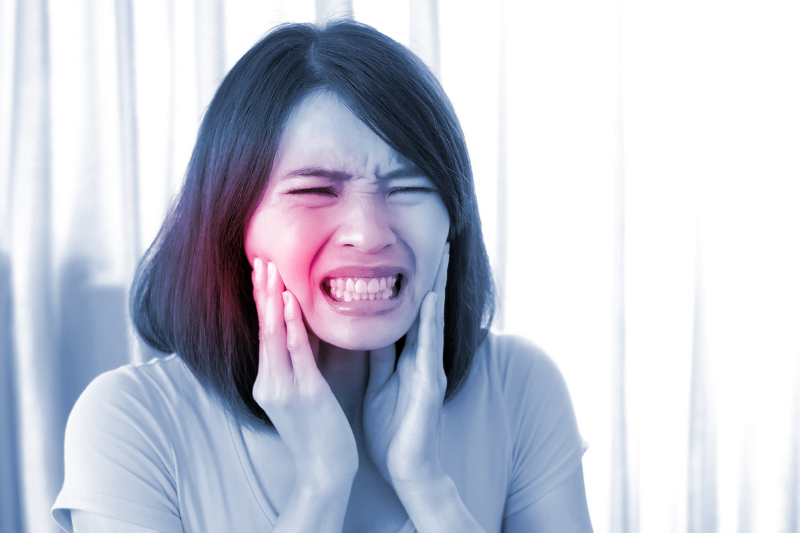
A chipped or broken tooth may cause discomfort, especially if the inner portion of the tooth has been exposed.
Until you can see your dentist:
- Apply a cold compress to the outside of your face.
- Take over-the-counter pain medication as directed.
- Avoid chewing on the affected side.
- Choose soft foods.
- Avoid extremely hot or cold foods if sensitivity develops.
These measures help manage discomfort while protecting the injured tooth.
Avoid Certain Foods
After damaging a tooth, it’s important to avoid foods that could make the injury worse.
Try to avoid:
- Hard candy
- Ice
- Nuts
- Popcorn
- Crunchy chips
- Sticky caramel
- Tough meats
Instead, choose softer foods such as yogurt, soup, scrambled eggs, mashed potatoes, or smoothies until your dentist has evaluated the tooth.
When Should You See a Dentist?
Any chipped or broken tooth should be examined by a dental professional.
Even if the damage appears minor, underlying problems may not be immediately visible.
Contact your dentist as soon as possible if:
- The tooth is painful.
- A large portion has broken away.
- The tooth feels loose.
- The fracture extends below the gumline.
- There is significant sensitivity.
- Swelling develops.
- Bleeding does not stop.
Prompt treatment often improves the chances of preserving the natural tooth.
Treatment Options for a Chipped or Broken Tooth
Your dentist will recommend treatment based on the severity and location of the damage.
Dental Bonding
Small chips can often be repaired using tooth-colored composite resin.
Bonding restores the tooth’s shape while blending naturally with your smile.
The procedure is usually completed during a single visit.
Dental Veneers
If a front tooth has cosmetic damage, porcelain veneers may be recommended to restore both appearance and strength.
Veneers are thin custom-made shells that cover the front surface of the tooth.
Dental Crowns
More extensive fractures often require a dental crown.
A crown covers the entire visible portion of the tooth, restoring its strength, appearance, and function while protecting it from additional damage.
Root Canal Therapy
If the fracture exposes or damages the tooth’s pulp, root canal therapy may be necessary to remove infected tissue and preserve the tooth.
After treatment, a dental crown is typically placed to strengthen the tooth.
Tooth Extraction
When a tooth is severely damaged and cannot be repaired, extraction may be the best option.
Your dentist will discuss tooth replacement solutions such as:
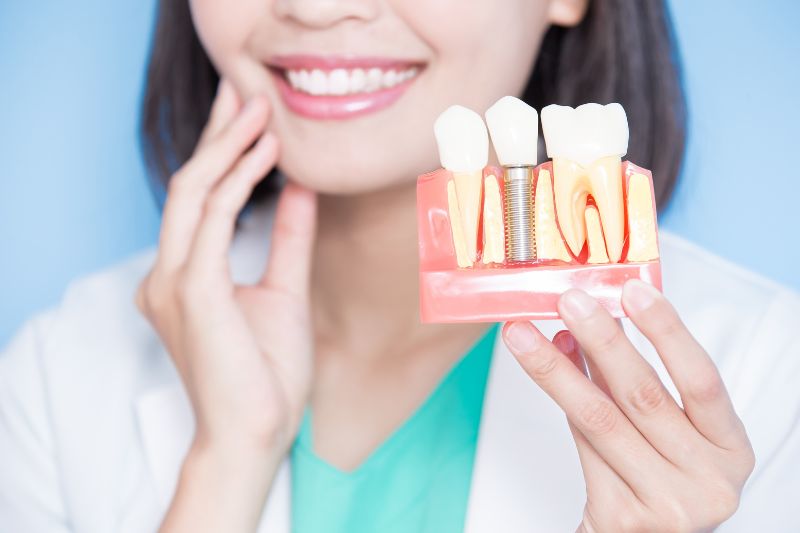
- Dental implants
- Dental bridges
- Partial dentures
Replacing a missing tooth helps restore normal function and prevents neighboring teeth from shifting.
Can a Chipped Tooth Heal on Its Own?
Unlike minor cuts or scrapes on the skin, tooth enamel cannot regenerate.
A small chip may not become larger immediately, but the damaged area remains vulnerable to further wear and decay.
Professional treatment helps protect the tooth and restore its strength.
Preventing Future Dental Injuries
Although accidents cannot always be avoided, several habits can reduce your risk of damaging a tooth.
Protect your smile by:
- Wearing a mouthguard during sports.
- Avoiding chewing ice or hard objects.
- Never using your teeth as tools.
- Treating cavities early.
- Wearing a night guard if you grind your teeth.
- Scheduling regular dental examinations.
Preventive care helps keep your teeth healthy and strong.
Conclusion
A chipped or broken tooth should never be ignored, even if it doesn’t cause immediate pain. Early evaluation allows your dentist to determine the extent of the damage and recommend the most appropriate treatment to restore your smile.
Modern dentistry offers effective solutions for repairing damaged teeth, from simple bonding to crowns and other restorative procedures. Acting quickly after an injury helps protect your natural tooth and reduces the risk of more serious complications.
Call to Action
If you’ve chipped or broken a tooth, don’t wait for the problem to worsen. Contact our dental office today to schedule an evaluation and receive prompt treatment to restore your smile and protect your oral health.