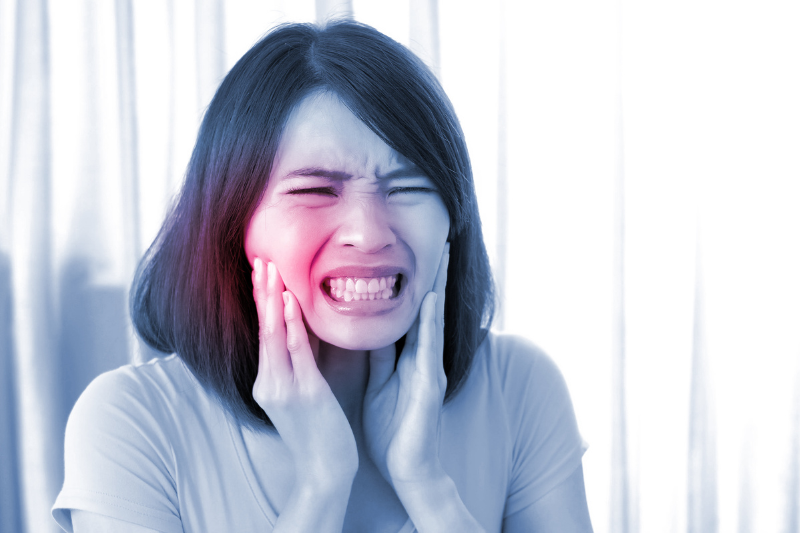
A sip of iced water, a spoonful of ice cream, or a cup of hot coffee should not routinely make you wince. Occasional tooth sensitivity can happen, but discomfort that keeps returning may indicate that part of the tooth has become more exposed or that an underlying dental problem needs attention.
The American Dental Association explains that sensitive teeth can have several causes, including tooth decay, fractured teeth, worn fillings, gum disease, worn enamel, and exposed tooth roots. Treatment depends on identifying the source rather than simply trying to mask the sensation.
For additional patient information, visit the American Dental Association’s guide to sensitive teeth.
For patients experiencing sensitive teeth in Anaheim, understanding what triggers sensitivity and when to schedule an examination can help determine whether the problem is minor or needs dental treatment.
What Causes Tooth Sensitivity?
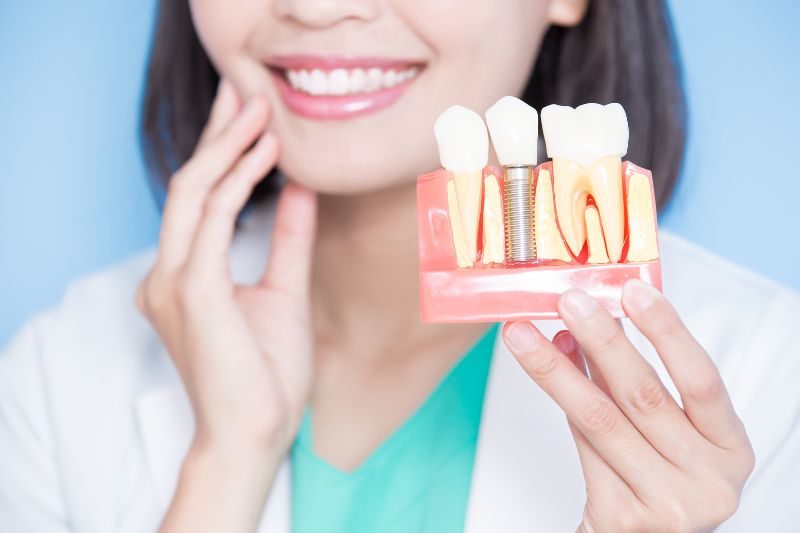
A healthy tooth has several protective layers.
Enamel covers the visible crown of the tooth. Below the gumline, the root is protected by a material called cementum. Beneath these protective layers is dentin.
Dentin contains microscopic channels that communicate with the sensitive internal portions of the tooth. When enamel becomes worn, a root becomes exposed, or another dental problem exposes dentin, hot, cold, sweet, acidic, or even physical contact may cause discomfort.
This is why tooth sensitivity is a symptom rather than a single disease.
Is Sensitivity to Cold Normal?
Brief sensitivity does not automatically mean something is seriously wrong.
Some people naturally have more sensitive teeth, while temporary sensitivity may occur after certain dental procedures.
The more important questions are:
- How intense is the discomfort?
- How long does it last?
- Is it affecting one tooth or several?
- Is the sensitivity becoming more frequent?
- Does the tooth hurt even without a temperature trigger?
Sensitivity that is new, worsening, localized to one tooth, or lingering after the cold item is gone is worth discussing with a dentist.
Tooth Decay Can Cause Sensitivity
A cavity begins when acids produced by plaque bacteria damage tooth structure.
As decay progresses through enamel and reaches deeper layers of the tooth, sensitivity may become more noticeable.
You might experience discomfort from:
- Cold drinks
- Sweet foods
- Hot beverages
- Biting or chewing
Dental Aesthetics Professionals provides dental fillings for cavities and damaged teeth when a filling is an appropriate restoration.
Treating decay earlier may allow more healthy tooth structure to be preserved than waiting until the tooth becomes significantly painful.
A Cracked Tooth May Feel Sensitive
Teeth can develop cracks from accidents, biting hard foods, large existing restorations, or repeated heavy biting forces.
A cracked tooth does not always cause constant pain.
Some patients notice discomfort only when:
- Biting down
- Releasing their bite
- Eating something cold
- Chewing in a particular area
The ADA lists fractured teeth among the possible causes of sensitivity.
Because cracks vary considerably in depth and location, treatment can range from a small restoration to a crown or, in more involved cases, additional treatment.
Old or Worn Fillings Can Become Sensitive
A filling that has functioned for years can eventually wear, chip, loosen, or develop problems around its edges.
The ADA specifically lists worn fillings among potential causes of tooth sensitivity.
Possible warning signs include:
- A new sharp sensation around a restored tooth
- Sensitivity that was not present before
- Pain while chewing
- A rough or broken filling edge
- Food repeatedly collecting around one tooth
Dental Aesthetics Professionals notes that older fillings may sometimes require replacement due to wear or damage.
An examination can determine whether the restoration itself is responsible or whether something else is affecting the tooth.
Gum Recession Can Expose Sensitive Roots
Your gums normally help protect the roots of your teeth.
If gum tissue recedes, portions of the root surface may become exposed.
Roots are not covered by the same thick layer of enamel that protects the crowns of the teeth, which can make exposed areas more sensitive to temperature and touch.
The ADA explains that exposed tooth roots are a common reason people develop dentin hypersensitivity.
Gum recession can have multiple causes, so treatment depends on why it developed and how much root surface is exposed.
Can Gum Disease Cause Sensitive Teeth?
Yes.
Gum disease can affect tissues surrounding the teeth and may contribute to gum recession and root exposure.
Possible signs of gum problems include:
- Bleeding during brushing or flossing
- Red or swollen gums
- Gum tenderness
- Persistent bad breath
- Gum recession
- Loose teeth in more advanced cases
Dental Aesthetics Professionals provides general dental care that includes examinations, cleanings, scaling, and deep cleaning when appropriate for a patient’s periodontal condition.
Sensitivity combined with bleeding or receding gums is a good reason to have both the teeth and gums evaluated.
Can Brushing Too Hard Make Teeth Sensitive?
Aggressive brushing can contribute to problems around the gumline.
Using excessive pressure does not make teeth cleaner. Over time, it may contribute to gum irritation or wear in susceptible areas.
The ADA recommends brushing twice daily with fluoride toothpaste as part of a consistent oral health routine.
A soft-bristled toothbrush and controlled brushing technique are generally appropriate for everyday use.
If you are unsure whether your technique is contributing to sensitivity, ask your dental team to demonstrate how to clean effectively without using unnecessary force.
Can Acidic Foods and Drinks Affect Sensitivity?
Frequent exposure to acids can contribute to enamel erosion.
Acidic beverages and foods may gradually wear away the protective enamel surface, potentially making underlying dentin more vulnerable.
The ADA identifies soft drinks and other acidic beverages as potential contributors to enamel erosion and recommends measures such as limiting acidic drinks, rinsing with water afterward, and avoiding immediate brushing after acid exposure.
Common acidic items include:
- Soda
- Sports drinks
- Energy drinks
- Citrus beverages
- Certain sour candies
- Some fruit juices
You do not necessarily need to eliminate every acidic food, but frequency and exposure matter.
Should You Brush Immediately After Drinking Soda or Citrus Juice?
Not necessarily.
After consuming something highly acidic, the tooth surface can temporarily become more vulnerable to abrasion.
The ADA recommends waiting approximately one hour before brushing after acidic foods or beverages, allowing saliva time to help neutralize acids and support remineralization of the enamel surface.
Rinsing with water after acidic foods or beverages can be a simple alternative while you wait.
Can Teeth Whitening Cause Sensitivity?
Temporary sensitivity is a known possible effect of tooth whitening.
Whitening materials can sometimes make teeth more responsive to temperature during or shortly after treatment.
This does not mean professional whitening is unsafe for everyone, but patients with existing sensitivity should mention it before treatment.
Your dentist can evaluate whether whitening is appropriate and discuss ways to reduce discomfort if sensitivity is a concern.
Dental Aesthetics Professionals offers both in-office and customized home whitening options based on the patient’s dental condition.
Can Desensitizing Toothpaste Help?
For some types of sensitivity, yes.
The ADA notes that desensitizing toothpaste contains ingredients designed to reduce the transmission of sensation from the tooth surface toward the nerve. Several applications may be needed before improvement becomes noticeable.
It is still important to understand what is causing the sensitivity.
A toothpaste may help with uncomplicated dentin sensitivity, but it will not repair a cavity, cracked tooth, damaged filling, or another structural problem.
If symptoms continue, have the area examined.
What Other Treatments Are Available for Sensitive Teeth?
Treatment depends on the diagnosis.
According to the ADA, potential approaches can include:
- Desensitizing toothpaste
- Fluoride treatment
- Dental bonding
- A crown or other restoration
- Treatment for exposed roots
- Root canal treatment in selected severe and persistent cases
The correct treatment depends entirely on why the tooth is sensitive.
For example, sensitivity from a small cavity is managed differently from sensitivity caused by gum recession.
Does Sensitive Toothpaste Work Immediately?
Usually not.
Desensitizing toothpaste commonly requires repeated use.
Follow the directions on the product and use it consistently rather than expecting one application to completely eliminate symptoms.
Products carrying the ADA Seal of Acceptance have been evaluated for safety and effectiveness for their stated purpose. The ADA recommends choosing accepted oral health products where appropriate.
If sensitivity is significant or worsening despite using an appropriate product, a dental examination is more useful than continually changing toothpaste brands.
When Does Sensitivity Suggest a Root Canal Problem?
Sensitivity alone does not mean you need root canal treatment.
However, severe or persistent symptoms may occasionally involve inflammation or infection of the dental pulp.
Signs that may deserve closer evaluation include:
- Pain that lingers well after hot or cold exposure
- Significant spontaneous toothache
- Pain that wakes you at night
- Pain when biting
- Swelling near the tooth
Dental Aesthetics Professionals provides root canal treatment when the pulp inside a tooth becomes inflamed or infected and the tooth can appropriately be preserved.
Only an examination can determine whether sensitivity is coming from the pulp or from a more routine cause.
Can You Have Sensitivity After Dental Work?
Yes.
Teeth can sometimes be temporarily sensitive after restorative treatment.
The amount and duration depend on the procedure and individual tooth.
If sensitivity gradually improves, it may simply be part of the normal adjustment period.
Contact your dentist if:
- Sensitivity becomes more intense
- The tooth develops spontaneous pain
- Your bite feels unusually high
- You cannot comfortably chew
- Symptoms continue longer than expected
The dental team can check whether the restoration and bite are functioning as intended.
What Can You Do at Home for Sensitive Teeth?
Until you can determine the cause, sensible home measures include:
- Use a soft-bristled toothbrush
- Brush gently rather than aggressively
- Use fluoride toothpaste
- Consider an ADA-accepted sensitivity toothpaste
- Clean between your teeth daily
- Limit frequent acidic beverages
- Avoid repeatedly exposing a painful tooth to extreme temperatures
- Keep scheduled dental examinations
Do not place aspirin or other medications directly onto a tooth or gum.
Home care can reduce symptoms in some cases, but it should not be used to delay evaluation when discomfort persists.
When Should You See a Dentist for Tooth Sensitivity?
Consider scheduling an examination when sensitivity:
- Appears suddenly
- Affects one specific tooth
- Becomes progressively worse
- Continues after the temperature trigger disappears
- Occurs when biting or chewing
- Is associated with a visible chip or crack
- Develops around an old filling or crown
- Occurs with gum swelling or recession
- Interferes with eating or drinking
The ADA recommends seeing a dentist when tooth sensitivity is concerning because treatment depends on determining the underlying cause.
An examination does not automatically mean extensive treatment will be needed.
Sensitive Teeth Treatment in Anaheim, CA
Dental Aesthetics Professionals provides general and restorative dental care for patients in Anaheim. Its services include dental examinations, X-rays when appropriate, professional cleanings, dental fillings, periodontal care, crowns, and root canal treatment depending on the cause and condition of the affected tooth.
If hot, cold, sweet foods, or chewing regularly cause tooth discomfort, identifying the reason is more useful than simply avoiding the trigger.
Learn more about general dental care at Dental Aesthetics Professionals or call 714-772-3538 to schedule an evaluation.