Introduction
One of the most common questions people ask is how often they should visit the dentist. While many people have heard the recommendation of scheduling appointments every six months, the ideal frequency can vary depending on your oral health, lifestyle, and personal risk factors.
Regular dental visits are about much more than keeping your teeth clean. They allow your dentist to detect problems early, provide preventive care, and help you maintain a healthy smile for years to come. Understanding when to schedule dental appointments can help you avoid more complex and costly treatments in the future.
Why Regular Dental Visits Matter
Routine dental examinations help identify problems before they become serious. Cavities, gum disease, worn restorations, and even oral cancer often develop without noticeable symptoms in the early stages.
During regular visits, your dental team can:
- Remove plaque and tartar buildup
- Check for tooth decay
- Evaluate your gums
- Screen for oral cancer
- Examine existing fillings and crowns
- Monitor bite changes
- Provide personalized oral hygiene advice
Early detection often means simpler, less invasive treatment and better long-term outcomes.
Is Every Six Months Right for Everyone?
The six-month schedule is an excellent guideline for many patients, but it is not a strict rule for everyone.
Some people maintain excellent oral health with twice-yearly visits, while others benefit from appointments every three or four months.
Your dentist considers several factors before recommending your ideal schedule, including:
- History of cavities
- Gum health
- Smoking or tobacco use
- Diabetes or other medical conditions
- Pregnancy
- Dry mouth
- Orthodontic treatment
- Age
Children, seniors, and patients with ongoing dental concerns often require more frequent monitoring.
Factors That Affect How Often You Need Checkups
Gum Disease
Patients with gingivitis or periodontal disease usually need more frequent cleanings to control bacteria and prevent bone loss.
Frequent Cavities
If you develop cavities regularly, your dentist may recommend additional preventive visits to monitor changes and strengthen your enamel.
Orthodontic Treatment
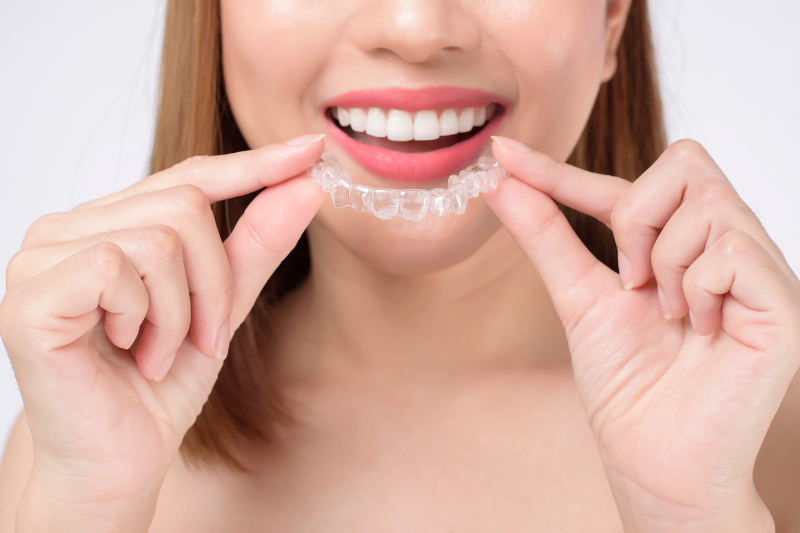
Braces and clear aligners create additional areas where plaque can accumulate, making professional cleanings even more important.
Medical Conditions
Certain health conditions can increase the risk of oral health problems. Diabetes, autoimmune disorders, and medications that reduce saliva flow may require closer monitoring.
Lifestyle Habits
Smoking, vaping, frequent sugary drinks, and poor oral hygiene habits can increase your risk for dental disease.
What Happens During a Routine Dental Visit?
Most routine appointments include both an examination and a professional cleaning.
Your visit may involve:
Comprehensive Examination
Your dentist evaluates:
- Teeth
- Gums
- Bite alignment
- Existing restorations
- Jaw joints
- Soft tissues
- Tongue and cheeks
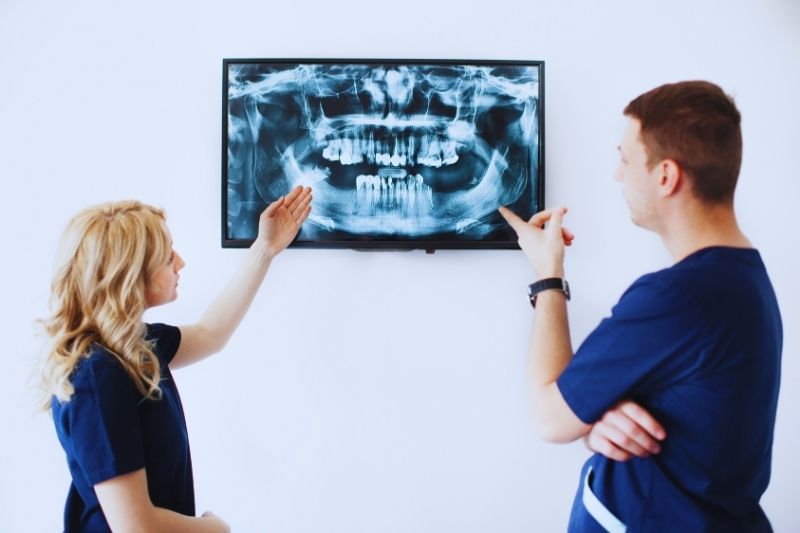
Digital X-Rays
When needed, digital X-rays reveal issues hidden beneath the surface, including:
- Cavities between teeth
- Bone loss
- Impacted teeth
- Infections
- Developing problems
Professional Cleaning
Your hygienist removes hardened tartar that cannot be eliminated with brushing alone.
After cleaning, your teeth are polished and flossed, leaving your smile feeling fresh and smooth.
Benefits of Preventive Dentistry
Preventive care offers significant advantages beyond keeping your teeth clean.
Routine dental visits help:
- Reduce the risk of cavities
- Prevent gum disease
- Detect oral cancer early
- Protect existing dental work
- Save money on future treatment
- Improve overall oral health
- Support fresh breath
- Maintain a confident smile
Investing in prevention is almost always easier than treating advanced dental problems.
Signs You Should Schedule an Appointment Sooner
Do not wait for your next routine visit if you notice:
- Tooth pain
- Bleeding gums
- Persistent bad breath
- Swelling
- Loose teeth
- Chipped or broken teeth
- Sensitivity that continues
- Mouth sores lasting more than two weeks
Prompt evaluation often prevents more extensive treatment later.
Tips for Maintaining Your Smile Between Visits
Healthy habits at home play an important role between appointments.
Daily recommendations include:
- Brush twice daily using fluoride toothpaste.
- Floss every day.
- Limit sugary snacks and drinks.
- Drink plenty of water.
- Replace your toothbrush every three to four months.
- Wear a mouthguard if you play sports.
- Avoid using your teeth to open packages.
Consistent home care complements professional dental treatment and supports long-term oral health.
Conclusion
Regular dental visits are one of the simplest and most effective ways to protect your smile. While many people benefit from checkups every six months, your dentist may recommend a schedule based on your individual oral health needs.
By combining routine examinations, professional cleanings, and healthy habits at home, you can reduce your risk of dental problems and enjoy a healthier smile for years to come.
Call to Action
Ready to protect your smile? Schedule your next dental checkup today and let our team help you maintain healthy teeth and gums with personalized preventive care.