Introduction
A damaged or weakened tooth doesn’t always need to be removed. In many cases, a dental crown can restore its strength, protect it from further damage, and improve its appearance. Dental crowns are one of the most common restorative treatments because they help preserve natural teeth while restoring normal function.
Whether you have a large cavity, a cracked tooth, or recently completed a root canal, your dentist may recommend a dental crown to provide long-term protection. Modern crowns are designed to look natural, fit comfortably, and withstand the everyday forces of chewing and biting.
Understanding how dental crowns work and when they are recommended can help you make informed decisions about your oral health.
What Is a Dental Crown?
A dental crown is a custom-made cap that completely covers the visible portion of a damaged tooth. Once bonded into place, it restores the tooth’s size, shape, strength, and appearance.
Unlike a filling, which repairs only a portion of the tooth, a crown protects the entire outer surface above the gumline.
Dental crowns are carefully matched to the color of your surrounding teeth, making them a natural-looking solution for restoring your smile.
When Is a Dental Crown Needed?
Your dentist may recommend a dental crown for several reasons.
Protecting a Weak Tooth
Teeth weakened by large cavities or previous dental work are more likely to crack or fracture.
A crown reinforces the tooth and helps prevent further damage.
Restoring a Broken Tooth
A tooth that has been chipped, cracked, or fractured may not be strong enough to function normally.
A crown restores its shape while providing additional strength and protection.
After Root Canal Treatment
Following root canal therapy, a tooth often becomes more brittle because the infected pulp has been removed.
Placing a dental crown helps strengthen the tooth and reduces the risk of future fractures.
Covering Large Fillings
When a cavity is too large for a filling alone, there may not be enough healthy tooth structure remaining.
A crown provides full coverage and supports the remaining natural tooth.
Improving Appearance
Dental crowns can also improve cosmetic concerns, including:
- Severely discolored teeth
- Misshapen teeth
- Worn teeth
- Teeth with noticeable damage
They create a more uniform and attractive smile while maintaining normal function.
Completing a Dental Implant
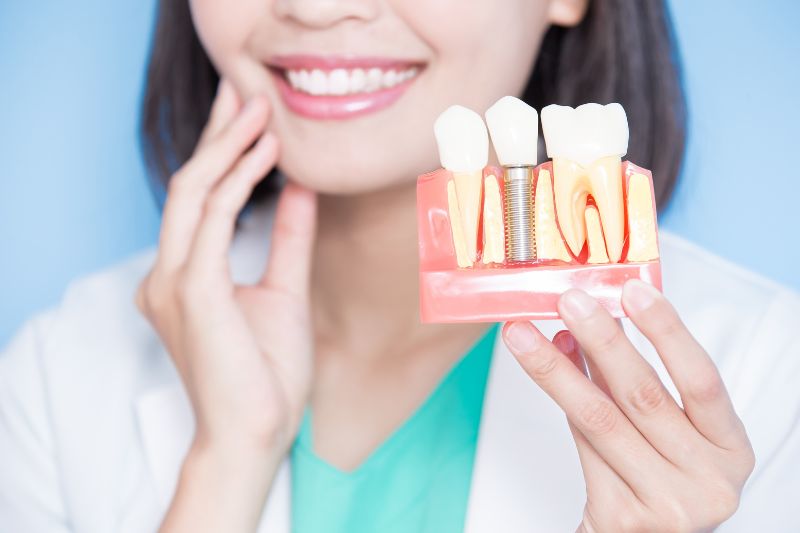
A dental implant replaces the root of a missing tooth, but the restoration is completed by attaching a custom-made crown.
The crown functions like a natural tooth and blends seamlessly with your smile.
Types of Dental Crowns
Several materials are available, and your dentist will recommend the best option based on the location of the tooth, your bite, and your aesthetic goals.
Porcelain Crowns
Porcelain crowns closely resemble natural teeth and are often recommended for front teeth because of their excellent appearance.
Benefits include:
- Natural color
- Excellent aesthetics
- Metal-free construction
- Stain resistance
Porcelain-Fused-to-Metal Crowns
These crowns combine the strength of a metal base with a porcelain exterior.
They offer durability while maintaining a natural appearance.
Zirconia Crowns
Zirconia has become increasingly popular because it is exceptionally strong while also providing attractive results.
Advantages include:
- High durability
- Excellent strength
- Natural appearance
- Resistance to wear
Many dentists recommend zirconia crowns for both front and back teeth.
Metal Crowns
Metal crowns are extremely durable and rarely fracture.
Although they are highly functional, their metallic appearance makes them more suitable for molars that are not easily visible.
What Happens During the Dental Crown Procedure?
Most dental crown treatments require two appointments, although some practices offer same-day crowns using digital technology.
First Appointment
During your first visit, your dentist will:
- Examine the tooth
- Remove decay or damaged areas
- Shape the tooth
- Take digital or traditional impressions
- Select the appropriate shade
- Place a temporary crown
The temporary crown protects your tooth while your permanent restoration is being fabricated.
Creating Your Custom Crown
Your impressions are sent to a dental laboratory, where skilled technicians create a crown designed specifically for your tooth.
The final restoration is customized to ensure proper fit, function, and appearance.
Second Appointment
Once your permanent crown is ready, your dentist will:
- Remove the temporary crown
- Check the fit
- Evaluate your bite
- Make any necessary adjustments
- Permanently cement the crown into place
After placement, the crown should feel comfortable and function like a natural tooth.
Benefits of Dental Crowns
Dental crowns offer both functional and cosmetic advantages.
Some of the most important benefits include:
Restoring Tooth Strength
Crowns reinforce weakened teeth, allowing them to withstand normal biting and chewing forces.
Protecting Natural Teeth
Rather than extracting a damaged tooth, a crown often allows your dentist to preserve your natural tooth structure.
Keeping natural teeth whenever possible supports better long-term oral health.
Improving Appearance
Modern crowns are designed to blend naturally with your smile.
They improve:
- Tooth shape
- Tooth color
- Tooth size
- Overall smile symmetry
Restoring Normal Function
After treatment, most patients can comfortably:
- Bite
- Chew
- Speak
- Smile confidently
Crowns restore daily function while protecting the underlying tooth.
How Long Do Dental Crowns Last?
The lifespan of a dental crown depends on several factors, including the material used, oral hygiene habits, and daily wear.
With proper care, many crowns last between 10 and 15 years, while some remain in excellent condition for much longer.
To help extend the life of your crown:
- Brush twice daily.
- Floss every day.
- Avoid chewing ice or hard objects.
- Wear a night guard if you grind your teeth.
- Visit your dentist regularly.
Good oral hygiene protects both the crown and the natural tooth underneath.
Caring for Your Dental Crown
Although crowns cannot develop cavities themselves, the tooth beneath them still requires proper care.
Maintain your restoration by:
- Brushing with fluoride toothpaste
- Cleaning carefully around the gumline
- Flossing daily
- Avoiding sticky or extremely hard foods
- Scheduling regular dental examinations and cleanings
Routine dental visits allow your dentist to monitor the condition of your crown and detect any problems early.
When Should You Contact Your Dentist?
Schedule an appointment if you notice:
- Pain when biting
- A loose crown
- A chipped or cracked crown
- Gum swelling around the crown
- Persistent sensitivity
- The crown falls out
Prompt treatment can prevent additional damage and help preserve the underlying tooth.
Conclusion
Dental crowns are a dependable and effective solution for restoring damaged, weakened, or worn teeth. They protect natural tooth structure, improve appearance, and restore normal chewing function while helping prevent future dental problems.
If your dentist recommends a crown, it’s because protecting your natural tooth is often the best long-term solution. With proper care and regular dental visits, a crown can provide many years of strength, comfort, and confidence.
Call to Action
If you have a damaged or weakened tooth, schedule a dental consultation today. Our team can determine whether a dental crown is the right solution to restore your smile and protect your oral health for years to come.