Dental crowns are designed to fully cover the visible portion of a tooth above the gumline, helping restore strength, function, and appearance. After a dental evaluation, your dentist may recommend a crown to address various concerns and protect your long-term oral health.
Common reasons for needing a dental crown include:
- Cracked or fractured teeth
- Severe tooth decay
- Large or failing fillings
- Discoloration affecting your smile
- Teeth treated with root canal therapy
- Supporting dental bridges
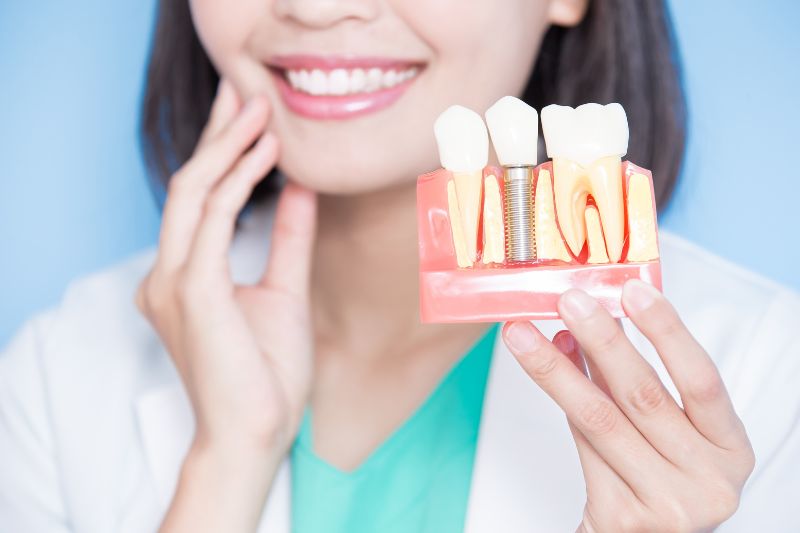
- Restoring dental implants
If you are a candidate for a crown, the procedure typically requires two visits to complete.
Initial Appointment for Dental Crown Preparation
During your first visit, your dentist will begin by numbing the area with a local anesthetic to ensure your comfort throughout the procedure.
Tooth Preparation and Temporary Crown
The tooth will be carefully reshaped to allow space for the crown. If decay or damage is present, it will be removed to create a stable foundation.
Once the tooth is prepared, an impression is taken to design your custom crown. A temporary crown is then placed to protect the tooth while your permanent crown is being fabricated. Temporary crowns are typically made of acrylic and secured with temporary cement until your next appointment.
Second Visit for Crown Placement
At your follow-up visit, usually scheduled within a few weeks, your dentist will remove the temporary crown and prepare the tooth for final placement.
The permanent crown is carefully fitted and adjusted to ensure proper bite alignment and natural appearance. Once everything is confirmed, the crown is securely bonded to your tooth for long-lasting results.
Same-Day Dental Crown Options
In some cases, same-day crowns may be available using advanced digital technology. This process involves scanning your teeth, designing the crown digitally, and fabricating it on-site using CAD/CAM systems.
This allows for a custom ceramic crown to be created and placed in a single visit, saving time while maintaining precision and durability.
Caring for Your Dental Crowns
Maintaining your dental crown is similar to caring for natural teeth. Good oral hygiene and regular dental visits are essential for long-term success.
Aftercare Tips
- Brush and floss daily to prevent plaque buildup
- Avoid using teeth to open packages or bite hard objects
- Schedule routine dental checkups and cleanings
- Address any discomfort or changes promptly
With proper care, dental crowns can provide lasting protection and restore your smile’s function and aesthetics.