Dental problems do not always happen at convenient times. A severe toothache may develop overnight, a filling can break while you are eating, or an accident may leave you with a damaged tooth.
The difficult part is often deciding whether the problem can wait for a routine dental appointment or whether you should contact a dentist promptly.
The American Dental Association provides guidance for common dental emergencies, including knocked-out teeth, cracked teeth, toothaches, soft-tissue injuries, and objects caught between teeth. The ADA generally recommends contacting a dentist as soon as possible when a dental emergency occurs.
For additional guidance, visit the American Dental Association’s dental emergency resource.
For patients looking for an emergency dentist in Anaheim, understanding which symptoms need prompt attention can help you respond calmly and appropriately.
What Is Considered a Dental Emergency?
A dental emergency is generally a problem involving significant pain, injury, infection, bleeding, or damage that should be evaluated promptly.
Some situations require same-day dental attention when possible, while others may be safely evaluated during the next available dental appointment.
Common reasons to contact an emergency dentist include:
- Severe or persistent tooth pain
- A broken or cracked tooth
- A knocked-out permanent tooth
- Significant swelling
- A suspected dental infection
- A loose or displaced permanent tooth
- A dental restoration that breaks and causes pain
- Bleeding from the mouth that is difficult to control
- Trauma involving the teeth or jaw
Dental Aesthetics Professionals specifically provides emergency dental appointments for concerns such as severe toothaches, oral infections, and cracked or broken teeth.
Severe or Persistent Toothache
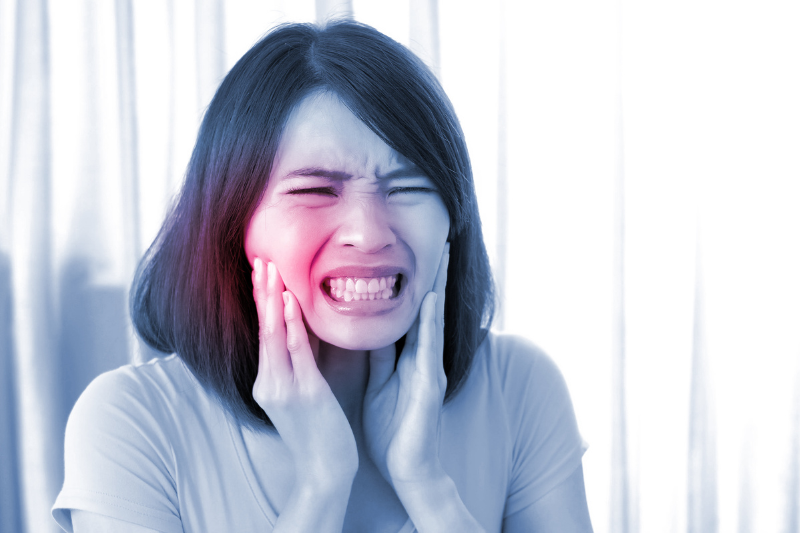
A toothache is one of the most common reasons patients seek urgent dental care.
Pain can develop for several reasons, including:
- Tooth decay
- A cracked tooth
- An infected dental pulp
- A damaged filling
- Gum problems
- An abscess
- Trauma to the tooth
Severe pain does not tell you exactly which condition is responsible, so a professional examination is important.
The ADA recommends rinsing the mouth with warm water and gently flossing around the painful tooth in case trapped food is contributing to discomfort. Aspirin should not be placed directly against the tooth or gums because it can irritate or burn gum tissue.
If the pain persists or becomes significant, contact your dentist.
A Cracked or Broken Tooth
A tooth may crack after biting something hard, experiencing an accident, or because the tooth has already been weakened by decay or a large restoration.
Even if the damage does not initially hurt, a cracked or broken tooth should be evaluated.
The ADA recommends rinsing your mouth with warm water after cracking a tooth and using a cold compress on the outside of the face if swelling occurs. A dentist should examine the tooth as soon as possible.
Treatment depends on how much tooth structure has been damaged.
A relatively small problem may require restorative treatment, while a deeper fracture may need more extensive care.
A Knocked-Out Permanent Tooth
A knocked-out adult tooth is particularly time-sensitive.
According to the ADA, a knocked-out permanent tooth should be kept moist. If possible, it may be gently placed back into its socket without touching the root. If that cannot be done, the ADA recommends keeping the tooth moist in milk, between the cheek and gums, or in an appropriate tooth-preservation product while seeking dental care immediately.
Handle the tooth by the crown—the portion normally visible in the mouth—rather than touching the root.
Contact a dentist immediately so you can receive instructions and arrange urgent care.
Dental Swelling or Possible Infection
Swelling around a tooth or the gums can have several causes and should be evaluated, particularly when it occurs with pain or other symptoms.
A dental infection may begin because of deep decay, damage inside a tooth, or disease involving the surrounding tissues.
Signs that deserve prompt dental attention can include:
- Localized gum swelling
- Facial swelling
- Significant tooth pain
- A bump near a tooth
- An unpleasant taste or drainage
- Increasing tenderness
Dental Aesthetics Professionals identifies oral infections among the conditions for which emergency dental appointments may be available.
Do not rely solely on pain medication while an underlying dental problem continues to worsen.
Lost or Broken Filling
Losing a filling can expose an area of the tooth that was previously protected.
You may notice:
- A rough or sharp area
- Sensitivity to temperature
- Food becoming trapped
- Discomfort while chewing
- A visible space where the filling was located
Not every lost filling is a major emergency, particularly when the tooth is comfortable, but it should still be repaired.
Contact your dental office, explain what happened, and ask how quickly the tooth should be examined.
Avoid chewing hard foods on the affected tooth until it has been evaluated.
Loose or Damaged Dental Crown
A crown can occasionally loosen or become damaged.
If this happens, avoid attempting to permanently glue it back onto the tooth yourself.
Keep the crown if it comes completely off and contact your dentist.
The underlying tooth may be sensitive or vulnerable to additional damage, so professional evaluation is recommended.
Food or an Object Stuck Between Teeth
Something lodged between teeth can sometimes produce surprisingly significant discomfort.
The ADA recommends trying to remove trapped material gently with dental floss. Sharp or pointed instruments should not be used because they can injure the gums or damage the teeth.
If you cannot safely remove the object, contact your dentist.
Injury to the Lips, Tongue, or Cheeks
Dental emergencies can involve more than teeth.
If you accidentally bite or injure your lip or tongue, the ADA recommends gently cleaning the area with water and applying a cold compress.
Professional help should be sought when bleeding is excessive, does not stop, or the injury causes significant pain.
When Should You Go to a Hospital Instead?
Some injuries extend beyond what a dental office is designed to manage.
Seek emergency medical attention for potentially life-threatening situations such as:
- Difficulty breathing or swallowing
- Serious facial or jaw trauma
- Suspected broken jaw
- Uncontrolled or heavy bleeding
- Loss of consciousness
- Other severe injuries occurring with the dental trauma
The ADA advises immediate hospital evaluation when a broken jaw is suspected and recommends emergency medical care for serious or life-threatening situations.
For problems limited primarily to the teeth and gums, calling a dental office first can often help determine the appropriate next step.
Can a Dental Emergency Wait Until Tomorrow?
Sometimes it can, but the answer depends on your symptoms.
For example, a small chip without discomfort may not require the same response as a knocked-out permanent tooth or severe toothache.
If you are unsure, call your dental office and describe:
- Where the problem is located
- When it started
- How severe the pain is
- Whether swelling is present
- Whether an injury occurred
- Whether part of a tooth or restoration has broken
- Whether symptoms are improving or getting worse
Providing specific information allows the dental team to determine how urgently you should be seen.
The ADA notes that many dental practices reserve time in their schedules for emergency patients and recommends providing as much information as possible when calling.
How Can You Reduce the Risk of a Dental Emergency?
Not every dental emergency is preventable, but several habits can reduce unnecessary risk.
Wear a Mouthguard
A properly fitted mouthguard can help protect teeth during sports and recreational activities where facial contact or falls are possible.
Avoid Chewing Extremely Hard Objects
Ice, hard candy, popcorn kernels, pens, and similar objects can place excessive force on teeth.
The ADA specifically recommends avoiding chewing ice, popcorn kernels, and hard candy because they may crack teeth.
Do Not Use Your Teeth as Tools
Avoid using your teeth to open packaging, tear labels, or cut objects.
A few seconds saved is rarely worth a cracked tooth.
Keep Up With Routine Dental Care
Regular examinations can identify cavities, deteriorating restorations, cracks, and other concerns before they unexpectedly become painful.
Preventive care cannot eliminate every emergency, but it may reduce the likelihood that an untreated dental problem suddenly becomes urgent.
What Happens During an Emergency Dental Appointment?
The first goal is to identify what is causing the problem.
An emergency dental visit may involve:
- Reviewing your symptoms
- Examining the affected tooth or area
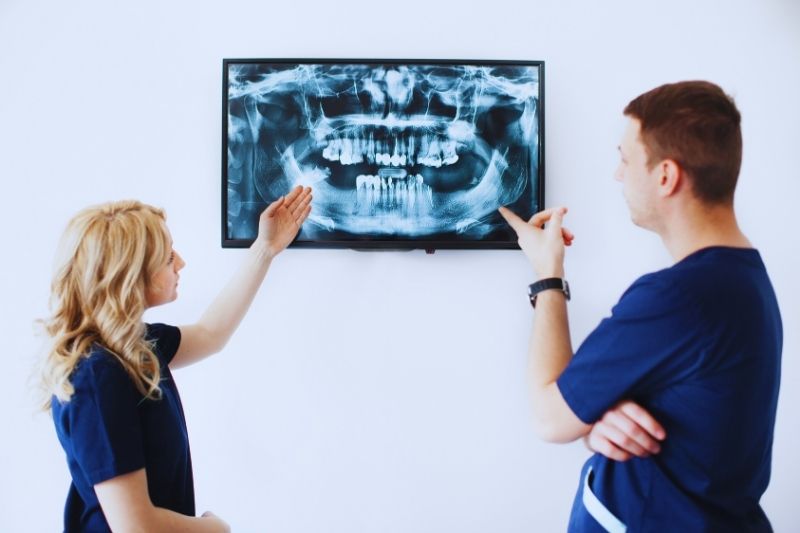
- Taking dental X-rays when appropriate
- Evaluating for infection or structural damage
- Relieving discomfort
- Determining whether immediate treatment is possible
- Planning additional restorative care if needed
The exact treatment depends on the diagnosis.
Dental Aesthetics Professionals notes that its doctors reserve openings during business days to help accommodate patients experiencing dental pain or other urgent problems. When appropriate, treatment may sometimes be possible during the same visit.
Emergency Dentist in Anaheim, CA
Severe dental pain or an unexpected dental injury can be stressful, but knowing who to contact can make the situation easier to manage.
Dental Aesthetics Professionals provides emergency dental appointments in Anaheim for patients experiencing concerns such as severe toothaches, oral infections, and cracked or broken teeth. The practice reserves emergency openings during business days to help patients with urgent dental needs.
If you are experiencing a dental problem that cannot comfortably wait for a routine appointment, call 714-772-3538 and describe your symptoms so the dental team can advise you about the appropriate next step.
Visit Dental Aesthetics Professionals in Anaheim for current practice information.
Dental Aesthetics Professionals
1751 W. Romneya Drive, Suite-D
Anaheim, CA 92801
714-772-3538