Introduction
Many people only visit the dentist when they have a toothache or notice something wrong with their teeth. While treating dental problems is important, preventive care is the foundation of a healthy smile. Regular dental exams allow your dentist to identify potential issues before they become painful, complicated, or expensive to treat.
Routine examinations are about much more than checking for cavities. They provide an opportunity to evaluate your overall oral health, detect early signs of disease, monitor existing dental work, and discuss ways to improve your daily oral hygiene routine.
By making regular dental exams part of your healthcare routine, you can protect your teeth, gums, and overall well-being for years to come.
What Happens During a Dental Exam?
A comprehensive dental exam includes several important evaluations designed to assess your oral health.
Your dentist may:
- Examine your teeth for cavities
- Check your gums for signs of periodontal disease
- Evaluate existing fillings, crowns, bridges, and implants
- Screen for oral cancer
- Examine your bite and jaw alignment
- Assess your overall oral hygiene
- Review any changes in your medical history
- Recommend dental X-rays when necessary
Each visit provides valuable information that helps your dentist create a personalized preventive care plan.
Early Detection Saves Teeth
Many dental problems develop slowly and without obvious symptoms.
Small cavities, early gum disease, and minor cracks often go unnoticed until they become more serious.
Routine dental exams allow your dentist to identify these problems early, when treatment is typically:
- Less invasive
- Less expensive
- More comfortable
- More successful
Addressing issues early can often prevent the need for root canals, extractions, or extensive restorative procedures.
Preventing Gum Disease
Healthy gums are essential for supporting your teeth.
During your dental exam, your dentist evaluates your gums for signs of:
- Redness
- Swelling
- Bleeding
- Gum recession
- Bone loss
Early-stage gum disease, known as gingivitis, is often reversible with professional treatment and improved home care.
Without treatment, gum disease can progress into periodontitis, increasing the risk of tooth loss.
Oral Cancer Screenings
An important part of every comprehensive dental exam is an oral cancer screening.
Your dentist checks the:
- Tongue
- Lips
- Cheeks
- Floor of the mouth
- Roof of the mouth
- Throat
- Gums
Early detection significantly improves treatment outcomes.
Even patients without symptoms benefit from routine screenings because oral cancer can develop without causing pain during its earliest stages.
Monitoring Existing Dental Work
Dental restorations are designed to last for many years, but they still require regular monitoring.
Your dentist will examine:
- Fillings
- Crowns
- Bridges
- Veneers
- Dental implants
- Dentures
Routine exams help identify worn or damaged restorations before they lead to more extensive dental problems.
Professional Guidance for Better Oral Hygiene
Even patients with excellent brushing habits can benefit from personalized advice.
Your dentist may recommend improvements such as:
- Better brushing techniques
- Proper flossing methods
- Fluoride treatments
- Prescription toothpaste
- Mouthguards for teeth grinding
- Dietary changes to reduce cavity risk
These recommendations are tailored to your individual needs and oral health goals.
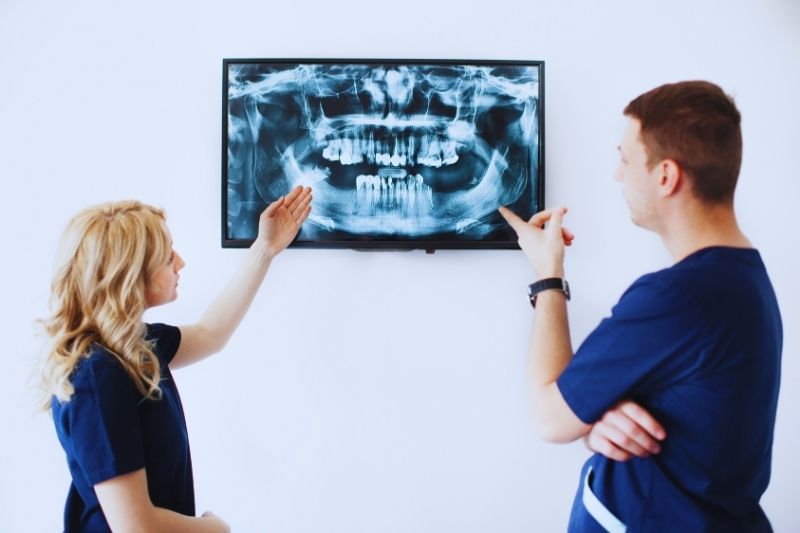
Dental X-Rays Help Detect Hidden Problems
Some dental issues develop beneath the surface where they cannot be seen during a visual examination.
Dental X-rays may help detect:
- Cavities between teeth
- Bone loss
- Impacted teeth
- Infections
- Cysts
- Developing wisdom teeth
- Problems beneath existing fillings
Your dentist will determine when X-rays are appropriate based on your age, oral health history, and risk factors.
Regular Exams Help Save Money
Preventive dental care is often less costly than treating advanced dental problems.
Routine exams may help you avoid procedures such as:
- Root canals
- Tooth extractions
- Dental implants
- Extensive crowns
- Periodontal surgery
Investing in preventive care today may reduce the need for more complex treatments in the future.
How Often Should You Have a Dental Exam?
For most patients, dentists recommend scheduling an examination every six months.
However, some individuals may benefit from more frequent visits, including those who:
- Have gum disease
- Develop cavities frequently
- Smoke or vape
- Have diabetes
- Wear braces
- Have weakened immune systems
Your dentist will recommend a schedule based on your individual oral health needs.
How to Get the Most from Your Appointment
To maximize the benefits of your dental exam:
- Brush and floss before your visit.
- Bring a list of any medications you take.
- Inform your dentist about changes in your medical history.
- Mention any tooth sensitivity or discomfort.
- Ask questions about your oral health.
- Follow recommended treatment plans.
Open communication helps your dental team provide the best possible care.
Healthy Habits Between Dental Visits
Daily oral care plays an important role in maintaining the results of your dental exams.
Maintain your smile by:
- Brushing twice daily with fluoride toothpaste
- Flossing every day
- Drinking plenty of water
- Limiting sugary snacks and beverages
- Eating a balanced diet
- Replacing your toothbrush every three to four months
- Wearing a mouthguard during sports if recommended
These habits support long-term oral health and complement your routine dental visits.
Conclusion
Regular dental exams are one of the most effective ways to maintain a healthy smile. By identifying problems early, monitoring existing dental work, screening for oral cancer, and providing personalized preventive care, routine examinations help protect both your oral health and your overall well-being.
Whether you are due for your next checkup or haven’t visited the dentist in several years, scheduling a dental exam is an important step toward preserving your smile for the future.
Call to Action
Protect your smile with preventive care. Schedule your routine dental exam today to detect problems early, maintain healthy teeth and gums, and receive personalized recommendations for lifelong oral health.