Introduction
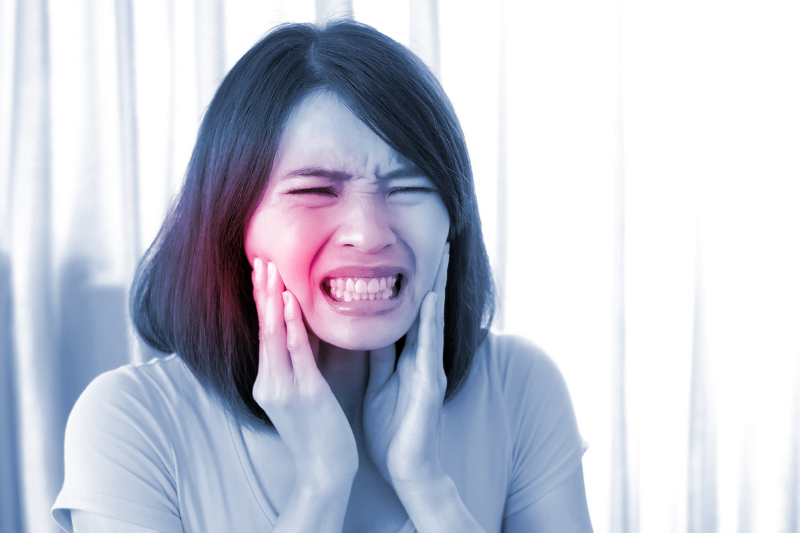
Tooth sensitivity is a common dental concern that can make everyday activities uncomfortable. Whether you’re enjoying a hot cup of coffee, sipping an ice-cold drink, or eating your favorite dessert, a sudden sharp pain can quickly interrupt the moment. While occasional sensitivity may not seem serious, persistent discomfort often signals an underlying dental issue that should be evaluated.
The good news is that tooth sensitivity can often be treated. Identifying the cause is the first step toward relieving discomfort and preventing further damage. In many cases, simple changes to your oral care routine or professional dental treatment can significantly improve your symptoms.
Understanding why teeth become sensitive and knowing when to seek professional care can help you maintain a healthier, more comfortable smile.
What Causes Tooth Sensitivity?
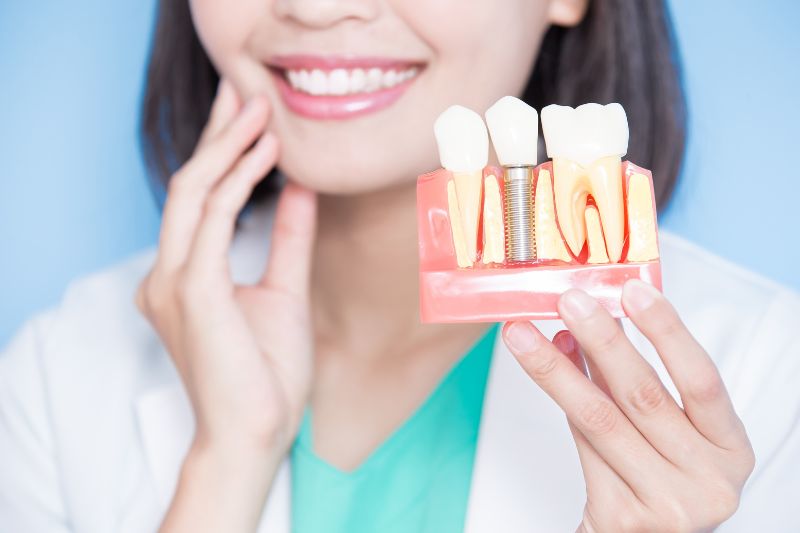
Your teeth are protected by a hard outer layer called enamel. Beneath the enamel is dentin, which contains tiny tubules connected to the nerve inside the tooth.
When enamel becomes worn or the gums recede, these tubules become exposed. Hot, cold, sweet, or acidic foods can then stimulate the nerve, causing pain or discomfort.
Several factors can contribute to tooth sensitivity.
Worn Tooth Enamel
Enamel gradually wears down over time, but certain habits can speed up the process.
Common causes include:
- Brushing too aggressively
- Using a hard-bristled toothbrush
- Frequent consumption of acidic foods and beverages
- Teeth grinding or clenching
- Natural wear from aging
Once enamel becomes thinner, teeth become more vulnerable to sensitivity.
Gum Recession
Healthy gums protect the roots of your teeth. If the gums recede, the root surfaces become exposed, increasing sensitivity.
Gum recession may result from:
- Gum disease
- Aggressive brushing
- Tobacco use
- Genetics
- Aging
Since tooth roots are not covered by enamel, they are much more sensitive to temperature changes.
Tooth Decay
Cavities weaken the tooth structure and expose deeper layers of the tooth.
Even a small cavity can make eating or drinking uncomfortable.
Routine dental examinations help identify decay before it progresses and causes more severe symptoms.
Cracked or Damaged Teeth
Small cracks or fractures may expose the inner portion of the tooth.
You may notice discomfort when:
- Biting down
- Drinking cold beverages
- Eating sweets
- Chewing hard foods
Prompt treatment helps prevent further damage and reduces the risk of infection.
Teeth Grinding
Grinding or clenching your teeth places excessive pressure on the enamel.
Many people grind their teeth while sleeping without realizing it.
Over time, this habit can wear away enamel and increase sensitivity.
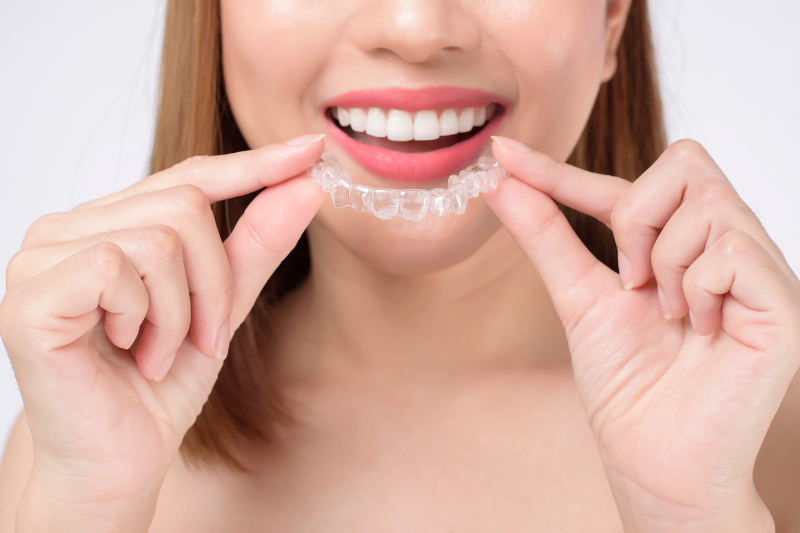
Your dentist may recommend a custom night guard to help protect your teeth.
Recent Dental Treatment
Temporary sensitivity is normal after certain dental procedures, including:
- Dental fillings
- Teeth whitening
- Crown placement
- Professional cleanings
- Deep cleanings
This type of sensitivity usually improves within a few days or weeks.
Common Symptoms of Tooth Sensitivity
Symptoms vary from person to person but often include:
- Sharp pain when drinking hot or cold beverages
- Sensitivity to ice cream or frozen foods
- Discomfort while eating sweets
- Pain when breathing in cold air
- Sensitivity during brushing or flossing
Some people experience only occasional discomfort, while others notice sensitivity every day.
If symptoms become persistent, professional evaluation is recommended.
Treatment Options for Tooth Sensitivity
The best treatment depends on the underlying cause.
Desensitizing Toothpaste
Specially formulated toothpaste contains ingredients that help block pain signals traveling to the tooth nerve.
With regular use, many patients experience noticeable improvement within several weeks.
Fluoride Treatments
Professional fluoride treatments strengthen enamel and reduce sensitivity.
Fluoride also helps protect teeth from future decay by making enamel more resistant to acid attacks.
Dental Bonding
If exposed tooth roots are causing discomfort, tooth-colored bonding material can be applied to cover sensitive areas.
Bonding also improves the appearance of the affected teeth while providing protection.
Treating Gum Disease
If gum recession results from periodontal disease, treating the infection is essential.
Professional cleanings or scaling and root planing remove bacteria beneath the gumline and help improve gum health.
Healthy gums provide better protection for sensitive tooth roots.
Restorative Dental Care
If sensitivity is caused by cavities, cracked teeth, or worn restorations, your dentist may recommend:
- Tooth-colored fillings
- Dental crowns
- Inlays or onlays
- Repairing damaged restorations
Treating the underlying problem usually provides lasting relief.
Root Canal Therapy
If the nerve inside a tooth becomes severely damaged or infected, root canal therapy may be necessary.
Although many people worry about this procedure, modern root canal treatment is designed to relieve pain while preserving the natural tooth.
Caring for Sensitive Teeth at Home
Good daily habits can reduce discomfort and protect your teeth.
Your dentist may recommend:
- Using a soft-bristled toothbrush
- Brushing gently with fluoride toothpaste
- Flossing daily
- Avoiding highly acidic foods and beverages
- Drinking plenty of water
- Wearing a night guard if you grind your teeth
- Limiting sugary snacks
Small changes to your routine can make a significant difference over time.
When Should You See a Dentist?
Occasional sensitivity may not require immediate treatment, but persistent discomfort should never be ignored.
Schedule an appointment if you experience:
- Pain lasting several days
- Sensitivity that suddenly becomes worse
- Pain while biting
- Swelling around a tooth
- A cracked or chipped tooth
- Sensitivity affecting only one tooth
Your dentist can identify the cause and recommend the most effective treatment before the problem becomes more serious.
Can Tooth Sensitivity Be Prevented?
While not every case can be prevented, many patients can reduce their risk by practicing good oral hygiene and protecting their enamel.
Helpful preventive habits include:
- Brushing twice each day with fluoride toothpaste
- Flossing every day
- Visiting your dentist regularly
- Wearing a mouthguard if you grind your teeth
- Limiting acidic drinks
- Drinking water after acidic meals
- Avoiding excessive brushing pressure
Preventive care is the best way to maintain healthy teeth and avoid future discomfort.
Conclusion
Tooth sensitivity is common, but it doesn’t have to become part of your daily life. Whether it’s caused by worn enamel, gum recession, tooth decay, or teeth grinding, identifying the underlying cause is essential for effective treatment.
Modern dentistry offers a variety of solutions that can reduce discomfort, strengthen your teeth, and improve your oral health. If you’re experiencing ongoing sensitivity, don’t wait for the pain to worsen. A professional dental examination can help you find the right treatment and restore your comfort.
Call to Action
Don’t let tooth sensitivity keep you from enjoying your favorite foods and drinks. Schedule a dental appointment today to identify the cause of your discomfort and receive personalized treatment to protect your smile.